Share this Article
If you have been told that you may need a lung transplant, one of the biggest questions is whether you will need one lung or both lungs replaced.
A single lung transplant and a double lung transplant both replace diseased lung tissue with healthy donor lungs, but the procedures, recovery and suitability can differ. The choice is not made simply by preference. Doctors consider the underlying lung disease, its severity, overall health, age, other organ function and the expected benefit of each approach.
This guide explains the key differences between single vs double lung transplant, including eligibility, recovery, survival and the factors doctors consider before recommending either procedure.
What Is a Single Lung Transplant
A single lung transplant replaces one diseased lung with a healthy donor lung. The patient's other lung remains in the chest and continues to function with the transplanted lung.
Because only one lung is replaced, the operation is generally less extensive than a bilateral transplant. It may be considered for selected patients whose remaining lung can continue to function adequately.
Single lung transplantation may be considered in conditions such as COPD or pulmonary fibrosis, depending on the individual patient's circumstances.
What Is a Double Lung Transplant
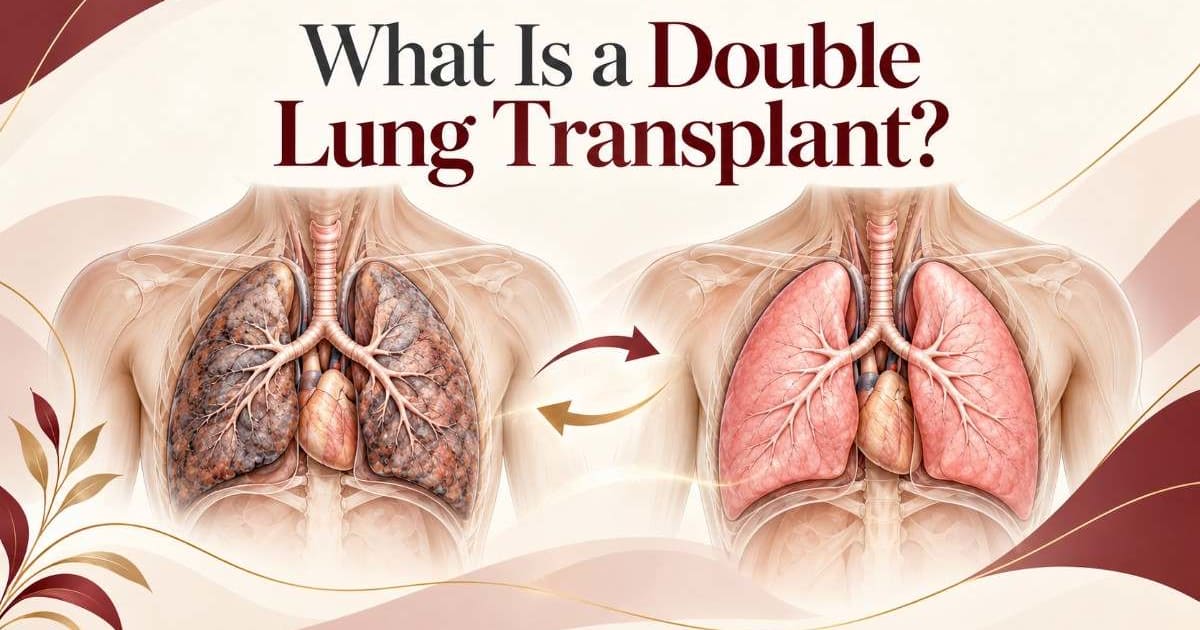
A double lung transplant, also called a bilateral lung transplant, replaces both diseased lungs with two donor lungs, usually from the same donor.
It is a more extensive operation and generally takes longer than a single lung transplant. It may be considered when leaving a diseased lung in place could create problems or when replacing both lungs is expected to provide better overall lung function.
Double lung transplantation is commonly considered for conditions such as cystic fibrosis, bronchiectasis and certain forms of pulmonary hypertension. However, the indication depends on the individual patient.
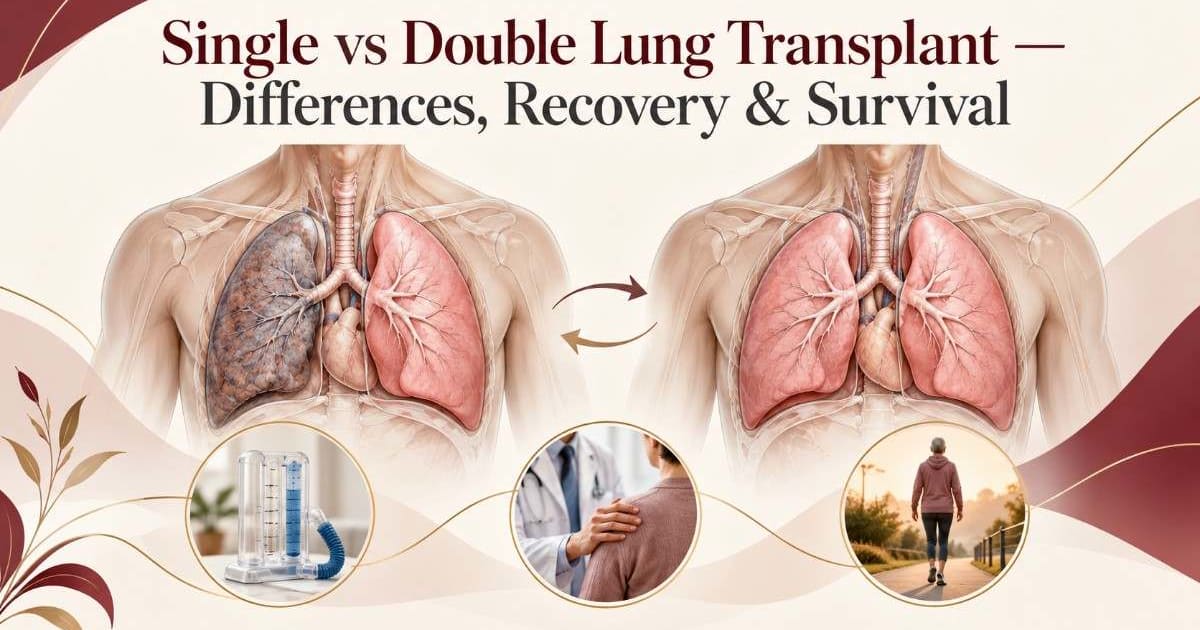
Single vs Double Lung Transplant: Key Differences
Factor | Single Lung Transplant | Double Lung Transplant |
Lungs replaced | One | Both |
Native lung | One remains | Both are replaced |
Surgical extent | Less extensive | More extensive |
Operating time | Generally shorter | Generally longer |
Recovery | May be shorter | May require more recovery |
Lung reserve | Depends partly on remaining lung | Both lungs are transplanted |
Long-term medicines | Lifelong immunosuppression | Lifelong immunosuppression |
Neither procedure is automatically appropriate for every patient. The choice depends on the clinical situation.
Conditions That May Be Treated With a Single Lung Transplant

Single lung transplantation may be considered when the remaining native lung can continue contributing to breathing without creating significant problems. Conditions where it may be considered include:
COPD or emphysema
Idiopathic pulmonary fibrosis in selected patients
Alpha-1 antitrypsin deficiency in specific cases
Advanced lung disease in some older or medically complex patients
Even when a patient has one of these conditions, a double transplant may also be considered. The decision is individualised.
Conditions That May Require a Double Lung Transplant
A bilateral transplant may be preferred when keeping one diseased lung could cause ongoing infection, poor function or other complications.
It is commonly considered in conditions such as:
Cystic fibrosis
Severe bronchiectasis
Certain cases of pulmonary hypertension
Some cases of severe emphysema
Certain re-transplantation situations
For diseases affecting both lungs, replacing both may allow the transplant team to address the underlying lung problem more completely.
Factors Considered Before Choosing a Lung Transplant Type
The transplant team considers several factors before recommending a single or double lung transplant.
Underlying Lung Disease
The type and pattern of lung disease are important. Some diseases can be treated with either approach, while others may make bilateral transplantation more appropriate.
Age and Overall Health
Age, physical condition and the ability to tolerate a major operation are considered when assessing the risks and expected benefits.
Heart and Kidney Function
Other organs also need to function adequately for major surgery and long-term transplant treatment. Heart and kidney health can influence the treatment plan.
Infection
If both lungs are affected by persistent infection, leaving one native lung in place may create additional concerns. This can influence the decision toward bilateral transplantation.
Pulmonary Hypertension
Significant pulmonary hypertension can affect blood flow through the lungs and may influence whether one or both lungs should be replaced.
Donor Availability
Lung transplantation depends on suitable donor organs being available. Organ matching and availability are important parts of transplant planning.
Single Lung Transplant Recovery
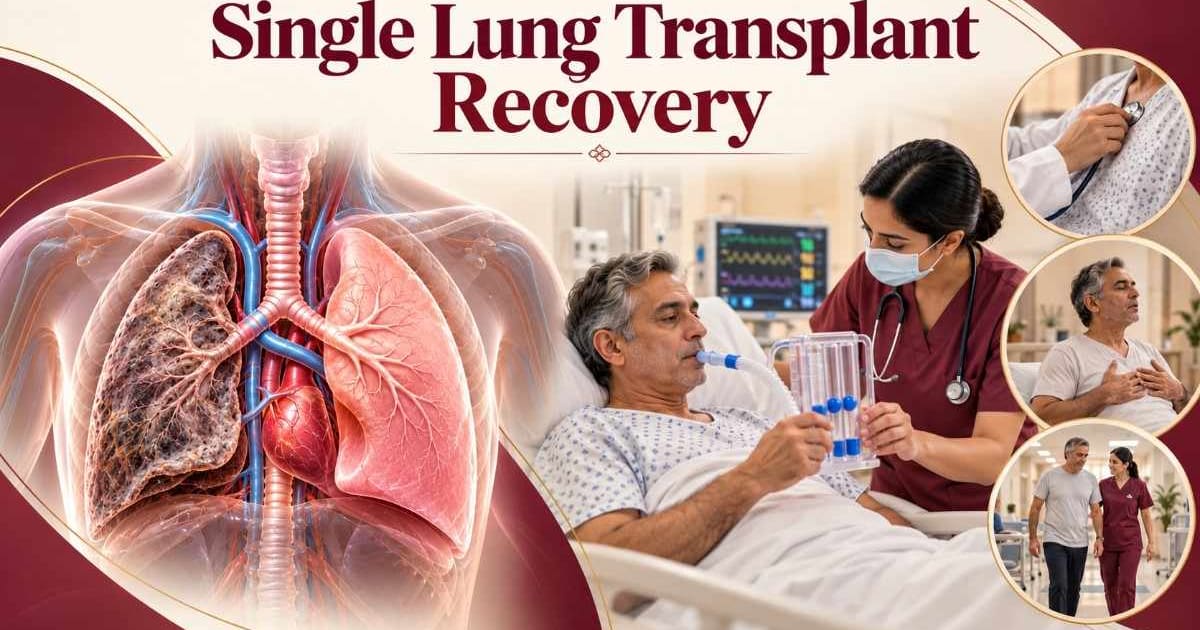
Recovery after a single lung transplant varies from person to person.
Patients usually spend time in the ICU immediately after surgery before moving to a regular hospital room. Physical rehabilitation, breathing exercises and medication management form an important part of recovery.
Regular follow-up is necessary to monitor lung function and detect complications such as infection or rejection.
Although recovery may be less extensive than after bilateral transplantation, patients still require lifelong immunosuppressive treatment and medical monitoring.
Double Lung Transplant Recovery
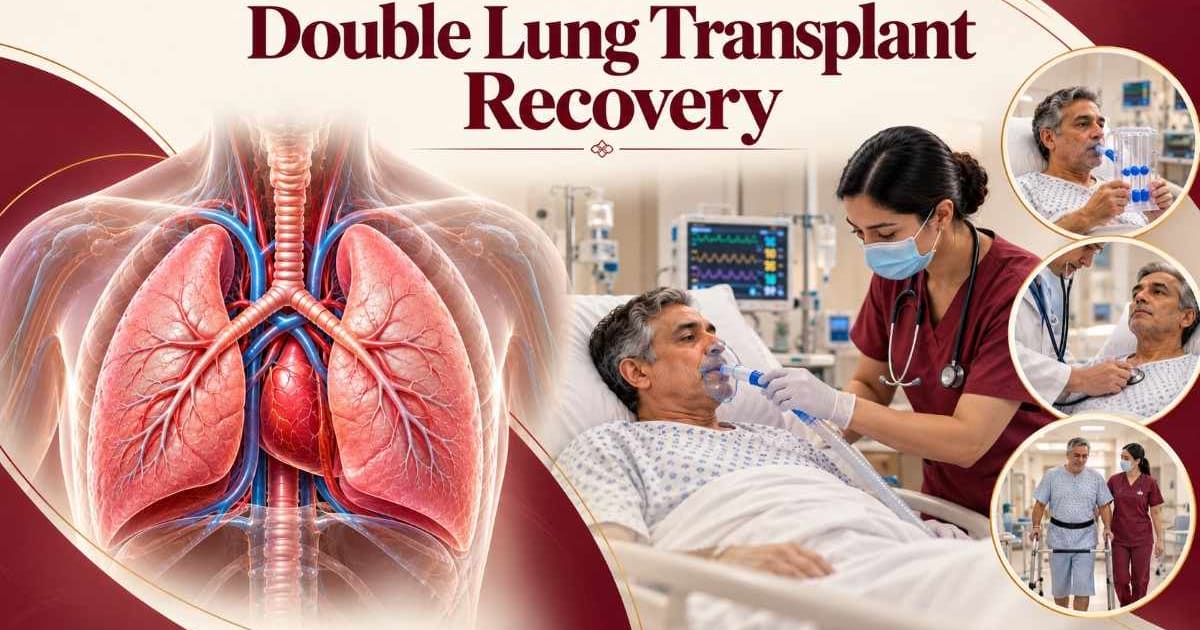
Double lung transplantation is a more extensive procedure, so the initial recovery can be more demanding.
Patients generally require ICU monitoring followed by hospital care and rehabilitation. The recovery period depends on lung function, physical condition and whether complications develop.
After discharge, patients continue with rehabilitation, regular testing and anti-rejection medicines.
Lung Transplant Survival
There is no single survival rate that applies to every lung transplant patient.
Outcomes can vary according to:
Age
Underlying lung disease
Overall health
Type of transplant
Rejection
Infection
Other medical complications
Long-term adherence to treatment
Research has found differences in long-term outcomes between single and bilateral transplantation in some patient groups, but these results cannot be applied equally to every individual.
For this reason, survival statistics should be discussed in the context of the patient's specific disease and medical condition rather than treated as a guarantee.
Choosing Between Single and Double Lung Transplant
The choice between a single and double lung transplant is made by the transplant team after evaluating the patient's complete medical picture.
Doctors consider the disease being treated, lung function, infection risk, age, overall fitness, other organ function and the expected benefits and risks of each procedure.
A patient should discuss the reasoning behind the recommended approach with their transplant team before surgery.
Life After a Lung Transplant
Both single and double lung transplant recipients require lifelong follow-up.
Immunosuppressive medicines are used to reduce the risk of rejection. Regular appointments and tests may include lung function testing, blood tests, imaging and bronchoscopy when required.
Patients also need to follow their medication schedule carefully and report symptoms such as increasing breathlessness, fever or a new cough to their medical team.
When to Consult a Lung Transplant Specialist
Patients with advanced lung disease, worsening breathing problems, declining lung function or repeated hospitalisations may benefit from evaluation by a lung transplant specialist.
Early specialist assessment can help determine whether transplantation should be considered and, if so, which type may be appropriate.
Finding the Right Specialist for Lung Transplantation
Lung transplantation requires coordinated care from pulmonologists, transplant surgeons, critical care specialists and rehabilitation professionals.
If you need help finding an appropriate specialist or exploring hospitals for treatment, GetBeds can help you connect with the right medical care and support your consultation journey.
Conclusion
Single and double lung transplants both replace severely diseased lung tissue, but they are used in different clinical situations. A single transplant leaves one native lung in place, while a double transplant replaces both.
The decision depends on the patient's lung disease, overall health, infection risk, lung function and other medical factors. Recovery and long-term care require regular monitoring and lifelong treatment regardless of the transplant type.
Frequently Asked Questions
Neither is universally better. The appropriate option depends on the patient's disease, overall health, lung function and other factors assessed by the transplant team.
A single transplant replaces one lung, while a double transplant replaces both. A double transplant is generally more extensive and requires replacement of both diseased lungs.
Survival varies considerably between patients. Age, underlying disease, health, complications, rejection and long-term treatment all influence outcomes, so there is no single rate that applies to everyone.
Recovery varies between patients and can continue for several months. Hospital recovery is followed by rehabilitation and regular medical monitoring.
Recovery also varies depending on the patient's health and complications. Physical rehabilitation and regular follow-up continue after discharge.
Selected patients with advanced lung disease may be candidates when their remaining native lung can continue functioning adequately and the transplant team considers a single transplant appropriate.
Disclaimer:
This blog is for informational purposes only and does not constitute scientific recommendations. Always consult a certified healthcare expert for analysis and remedies.