Share this Article
Pulmonary embolism is a serious condition that happens when a blood clot blocks one or more blood vessels in the lungs. It can cause symptoms such as sudden shortness of breath, chest pain, a rapid heartbeat, or coughing, and in some cases, it may require urgent medical attention.
In many cases, the blood clot responsible for a pulmonary embolism develops elsewhere in the body, most commonly in the deep veins of the legs. The clot can then travel through the bloodstream and reach the lungs, where it blocks blood flow.
This guide explains what pulmonary embolism is, its symptoms and causes, the warning signs to watch for, how it is diagnosed, and the treatment options that may be recommended.
What is pulmonary embolism?
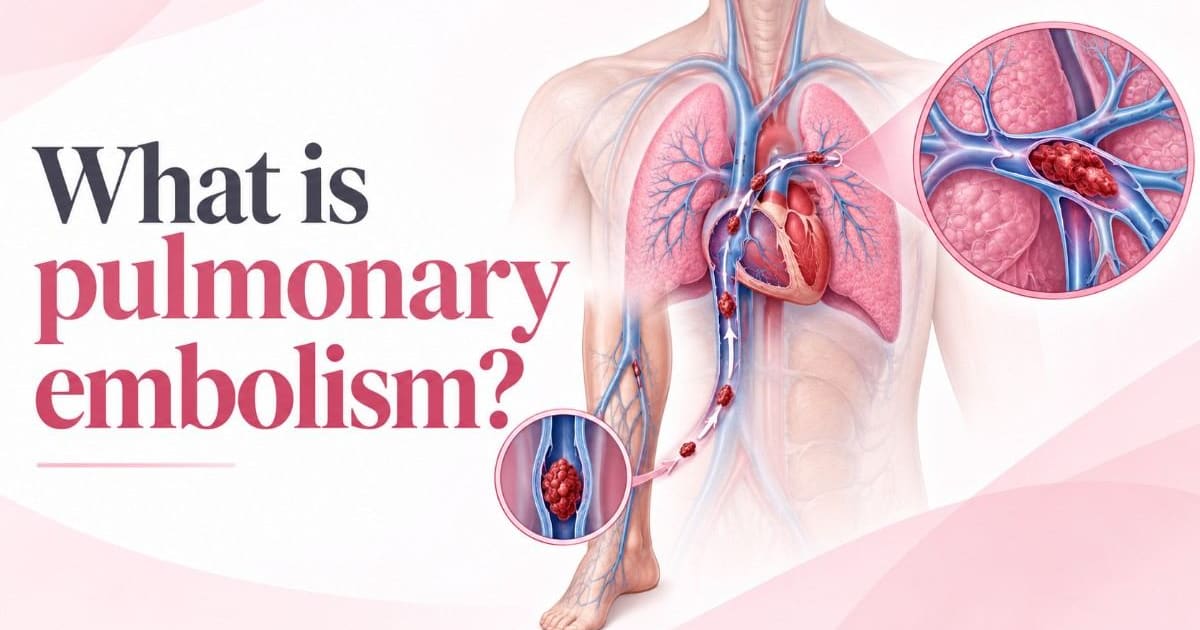
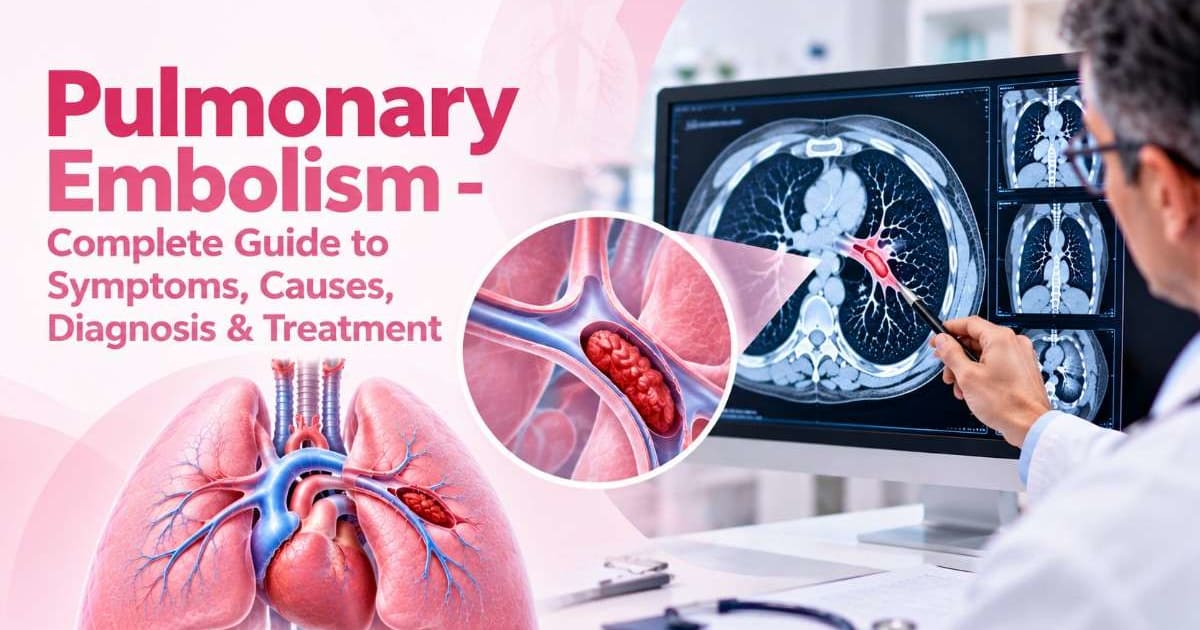
Pulmonary embolism, often called PE, occurs when a blood vessel in the lungs becomes blocked, usually by a blood clot.
The blockage can interfere with normal blood flow through the lungs and affect how efficiently the body receives oxygen. The severity of pulmonary embolism can vary depending on the size and location of the clot, how many blood vessels are affected, and the person's overall health.
A pulmonary embolism is often linked to deep vein thrombosis, or DVT. This happens when a blood clot forms in a deep vein, usually in the leg. If part of the clot breaks away, it can travel through the bloodstream to the lungs and cause a pulmonary embolism.
Because pulmonary embolism can become life-threatening, recognising symptoms and seeking prompt medical care is important.
Symptoms of pulmonary embolism
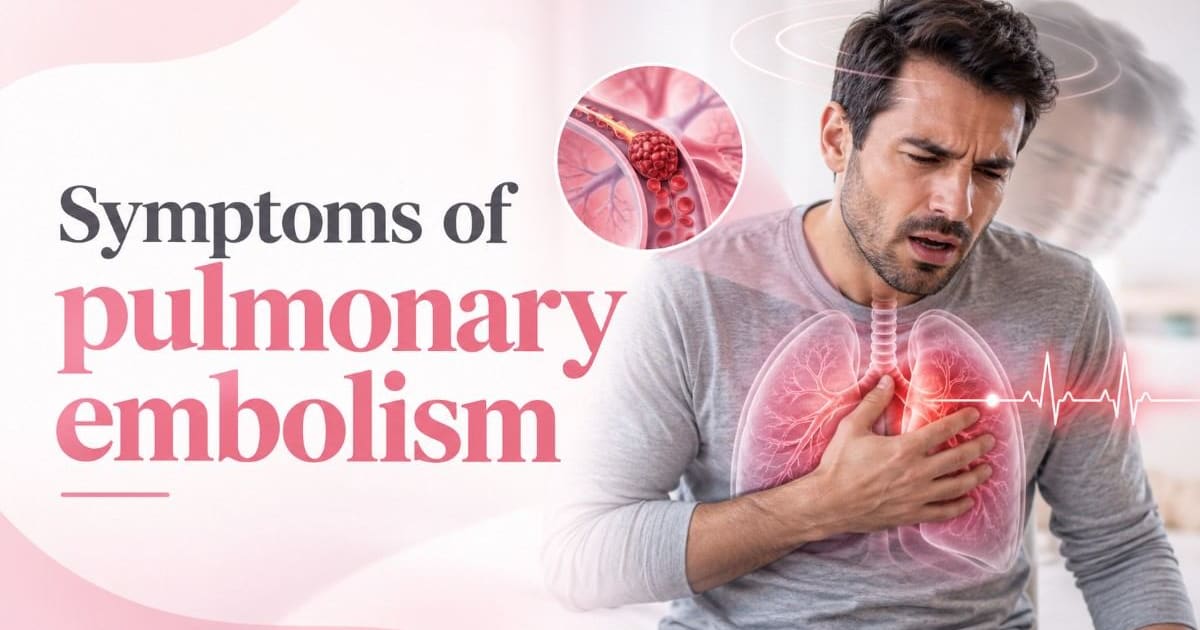
Pulmonary embolism symptoms can vary from person to person. Some symptoms may appear suddenly, while others can be less obvious.
Common symptoms of pulmonary embolism may include:
Sudden shortness of breath
Chest pain that may worsen while breathing deeply
A rapid heartbeat
Feeling lightheaded or dizzy
Unexplained weakness
Sweating
Some people may cough up blood, although this does not occur in every case.
The symptoms of pulmonary embolism can sometimes resemble those of other heart or lung conditions. This is why sudden or unexplained breathing difficulties and chest pain should always be properly evaluated.
Warning signs of pulmonary embolism
Certain symptoms may indicate that urgent medical attention is needed.
Sudden difficulty breathing, severe chest pain, fainting, coughing up blood, or a very rapid heartbeat should not be ignored.
A pulmonary embolism can affect blood flow and place strain on the heart and lungs. In severe cases, the condition can quickly become dangerous.
If someone develops sudden or severe symptoms, they should seek immediate medical care rather than waiting for the symptoms to improve on their own.
Learn more: Thoracotomy Surgery: Procedure, Recovery, Risks & Cost in India | GetBeds
Causes of pulmonary embolism
The most common cause of pulmonary embolism is a blood clot that travels to the lungs from another part of the body.
This is often associated with deep vein thrombosis, where a clot develops in a deep vein, usually in the legs.
However, other materials can rarely cause an embolism in the lungs in certain medical situations. The exact cause needs to be determined through appropriate medical evaluation.
A blood clot may be more likely to develop when blood flow slows down, the blood becomes more likely to clot, or blood vessels are damaged.
Deep vein thrombosis and pulmonary embolism
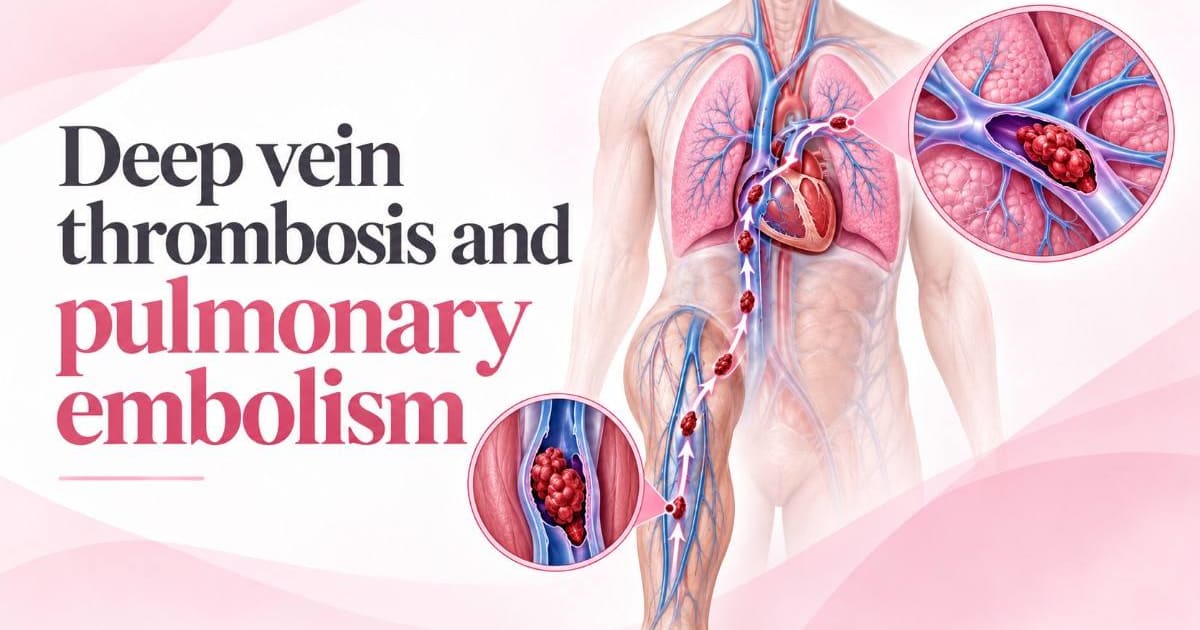
Deep vein thrombosis and pulmonary embolism are closely connected.
DVT occurs when a blood clot forms in one of the deep veins, commonly in the leg. The clot may remain in place, but sometimes a portion can break off and travel through the bloodstream.
When the clot reaches the lungs, it can block a pulmonary artery or one of its branches. This results in a pulmonary embolism.
Not everyone with DVT develops a pulmonary embolism, but DVT is an important risk factor and requires appropriate medical attention.
Symptoms of DVT can include swelling, pain, tenderness, warmth, or changes in skin colour in one leg. However, some people may have few or no noticeable symptoms.
Risk factors of pulmonary embolism
Several factors can increase the risk of developing blood clots and pulmonary embolism.
Prolonged periods of inactivity can increase the risk because reduced movement may slow blood flow in the legs. This can happen during long periods of bed rest, after certain surgeries, or during prolonged travel.
Other possible pulmonary embolism risk factors include:
Previous blood clots
Recent surgery or hospitalisation
Prolonged immobility
Certain medical conditions
Pregnancy and the period after childbirth
Smoking
Certain hormonal medicines
A family history of blood clotting disorders
Having one or more risk factors does not mean that a person will definitely develop pulmonary embolism. However, these factors can help doctors assess an individual's overall risk.
Diagnosis of pulmonary embolism
Diagnosing pulmonary embolism requires a medical assessment and appropriate tests.
A doctor will consider the person's symptoms, medical history, possible risk factors, and physical condition. Because pulmonary embolism symptoms can overlap with other medical conditions, imaging and blood tests may be needed to confirm the diagnosis.
The choice of tests depends on the individual situation and how strongly pulmonary embolism is suspected.
CT pulmonary angiography
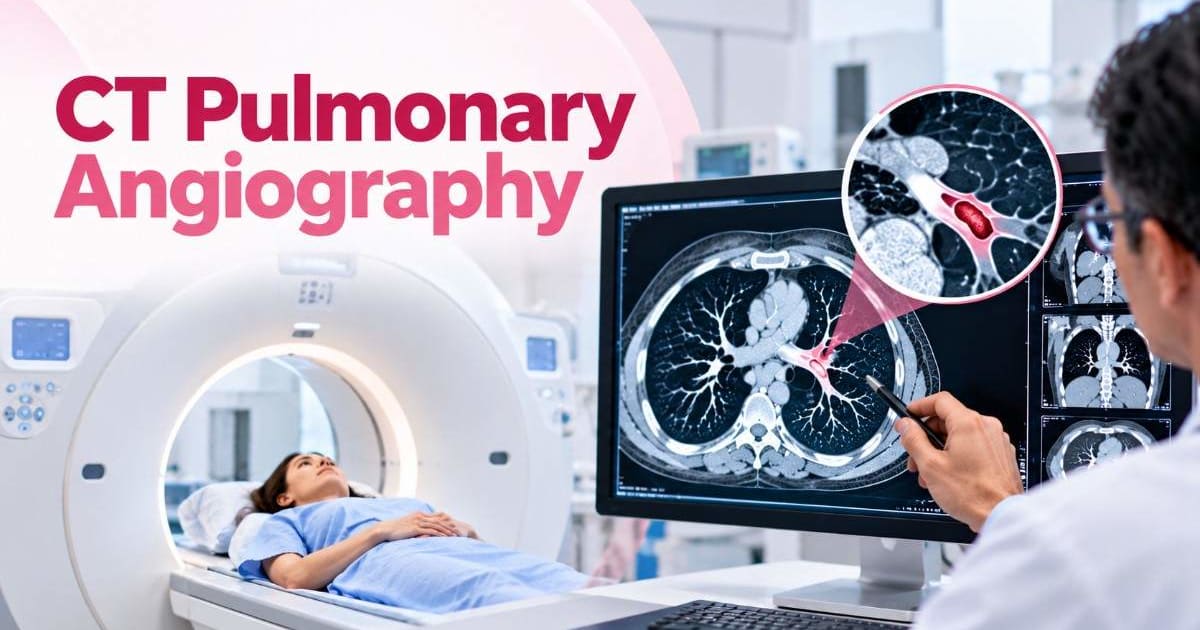
CT pulmonary angiography, commonly known as CTPA, is an important imaging test used to detect pulmonary embolism.
The scan uses contrast dye to provide detailed images of the blood vessels in the lungs. It can help doctors identify whether a blood clot is blocking blood flow.
CT pulmonary angiography is often used when pulmonary embolism is strongly suspected and the person is suitable for the test.
Other tests used to diagnose pulmonary embolism
Depending on the situation, doctors may recommend additional tests.
Blood tests may be used as part of the initial evaluation. A D-dimer test can sometimes help assess whether further investigation for a blood clot may be needed.
An ultrasound of the legs may also be performed to look for deep vein thrombosis.
Other imaging tests may be considered when CT pulmonary angiography is not appropriate or when additional information is needed.
The diagnostic approach depends on the person's symptoms, overall health, and medical history.
Treatment of pulmonary embolism
Pulmonary embolism treatment focuses on preventing the existing clot from becoming larger, reducing the risk of new blood clots, and managing serious complications.
The treatment plan depends on the severity of the pulmonary embolism and the person's overall condition.
Some people may require hospital treatment and close monitoring, while others may be treated differently depending on their individual risk and stability.
Blood thinners for pulmonary embolism
Blood thinners, also known as anticoagulants, are commonly used in the treatment of pulmonary embolism.
These medicines do not directly dissolve the clot immediately. Instead, they help prevent the clot from growing and reduce the risk of new clots forming while the body gradually breaks down the existing clot.
The type of anticoagulant and the duration of treatment depend on several factors, including what caused the clot and the person's risk of developing another one.
It is important to take anticoagulant medicines exactly as prescribed and attend recommended follow-up appointments.
Treatment for severe pulmonary embolism
A severe pulmonary embolism can significantly affect blood circulation and put serious strain on the heart.
In certain high-risk situations, doctors may consider treatments aimed at removing or breaking down the clot more quickly. These options are generally considered based on the severity of the condition and the individual's overall health.
Treatment decisions are made carefully because some interventions can carry additional risks.
People with severe pulmonary embolism may require urgent hospital care and close monitoring.
Recovery after pulmonary embolism
Recovery after pulmonary embolism can vary from person to person.
Some people gradually feel better over time, while others may continue to experience tiredness, breathlessness, or reduced stamina during recovery.
Follow-up care is important to monitor recovery and manage the risk of future blood clots.
A doctor may recommend gradual physical activity when appropriate and provide guidance based on the individual's condition.
The length of recovery can depend on the severity of the pulmonary embolism, the person's overall health, and whether there are other medical conditions involved.
Can pulmonary embolism be prevented?
Not every pulmonary embolism can be prevented, but reducing the risk of blood clots can be important for people with known risk factors.
Regular movement can help maintain healthy blood flow, particularly during long periods of sitting or inactivity.
People recovering from surgery or spending extended periods in bed may be given specific instructions to reduce the risk of blood clots. In some situations, doctors may recommend medicines or other preventive measures.
Anyone with a previous history of blood clots should discuss their individual risk and prevention options with a healthcare professional.
Is pulmonary embolism dangerous?
Pulmonary embolism can be dangerous because it can block blood flow through the lungs and affect the heart and body's oxygen supply.
The seriousness of the condition depends on factors such as the size and location of the clot, the number of blood vessels affected, and the person's existing heart and lung health.
Some pulmonary embolisms can be managed successfully with appropriate treatment, but severe cases can become life-threatening.
This is why symptoms such as sudden shortness of breath or unexplained chest pain should never be ignored.
When to consult a specialist?
You should seek immediate medical attention if you experience sudden shortness of breath, severe chest pain, fainting, coughing up blood, or other symptoms that may indicate a pulmonary embolism.
After diagnosis, follow-up care may involve specialists depending on the cause of the blood clot and the individual's medical needs.
A pulmonologist, cardiologist, vascular specialist, or other relevant healthcare professional may be involved in evaluating and managing the condition.
Finding the right specialist for pulmonary embolism
Pulmonary embolism requires proper diagnosis and timely medical care.
The right healthcare team can help identify the cause of the blood clot, recommend appropriate treatment, and provide guidance on follow-up and preventing future complications.
GetBeds helps patients search for specialists and hospitals based on their healthcare needs, making it easier to explore available healthcare options.
Conclusion
Pulmonary embolism occurs when a blood clot or other material blocks a blood vessel in the lungs. It is often linked to deep vein thrombosis, where a blood clot develops in a deep vein and travels to the lungs.
Symptoms can include sudden shortness of breath, chest pain, rapid heartbeat, dizziness, and coughing. Because pulmonary embolism can become serious, prompt medical evaluation is essential.
Diagnosis may involve tests such as CT pulmonary angiography and ultrasound, while treatment commonly includes anticoagulant medicines to prevent further clotting.
Understanding the symptoms, risk factors, and importance of early treatment can help ensure that pulmonary embolism is recognised and managed appropriately.
FAQs
Q: What is pulmonary embolism, and how dangerous is it?
Pulmonary embolism is a blockage in one of the blood vessels in the lungs, usually caused by a blood clot. It can be serious and may become life-threatening depending on the size and location of the clot and the person's overall health.
Q: What are the warning signs of pulmonary embolism?
Warning signs may include sudden shortness of breath, chest pain, rapid heartbeat, dizziness, fainting, or coughing up blood. Sudden or severe symptoms require immediate medical attention.
Q: What causes blood clots in the lungs?
Blood clots in the lungs commonly develop when a clot forms elsewhere in the body, often in a deep vein in the leg, and travels through the bloodstream to the lungs.
Q: How is pulmonary embolism diagnosed?
Pulmonary embolism may be diagnosed using medical evaluation, blood tests, CT pulmonary angiography, ultrasound of the legs, and other tests when required.
Q: How is pulmonary embolism treated?
Treatment commonly involves anticoagulant medicines, also known as blood thinners, to prevent existing clots from growing and reduce the risk of new clots. Severe cases may require additional urgent treatment.
Disclaimer:
This blog is for informational purposes only and does not constitute scientific recommendations. Always consult a certified healthcare expert for analysis and remedies