Cardiology
Treatment Guide
A Complete Patient’s Guide to Heart Health
Your heart works every second of every day, pumping blood, oxygen, and nutrients. Understanding its signals, diagnostic tests, and treatments is the first step toward preventing serious complications.
24/7
Expert Panel
100%
Accredited Clinics
Prevention
First Approach
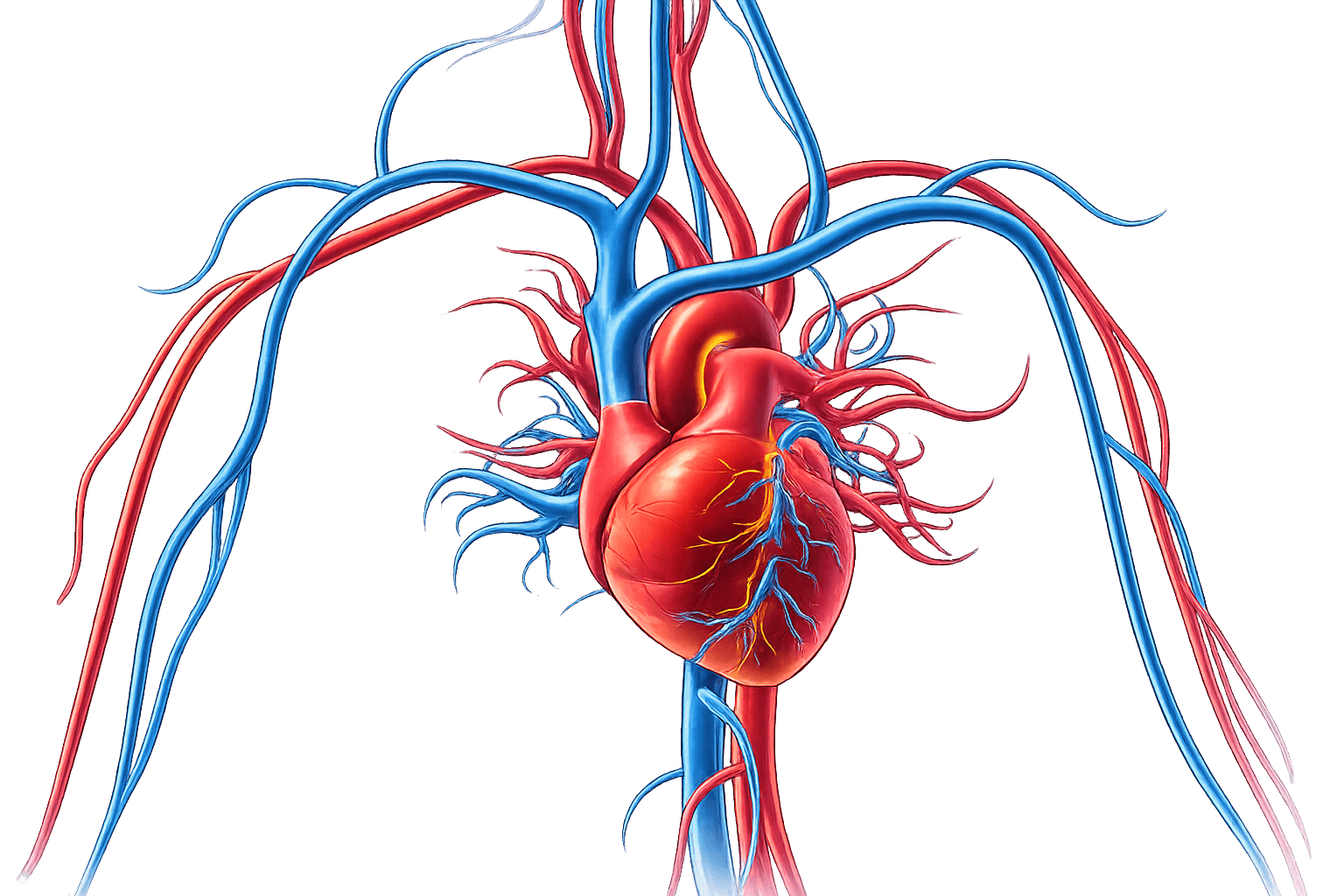
Specialized Cardiology Surgeries
Our expert surgeons utilize the latest technology to perform life-saving cardiovascular procedures with precision and care.

Coronary Artery Bypass Surgery (CABG)
A life-saving procedure to create new pathways for blood flow around blocked coronary arteries.

Coronary Angiography
Gold standard diagnostic test for heart artery blockages.

Open Heart Surgery
Comprehensive surgical approach for complex heart conditions.
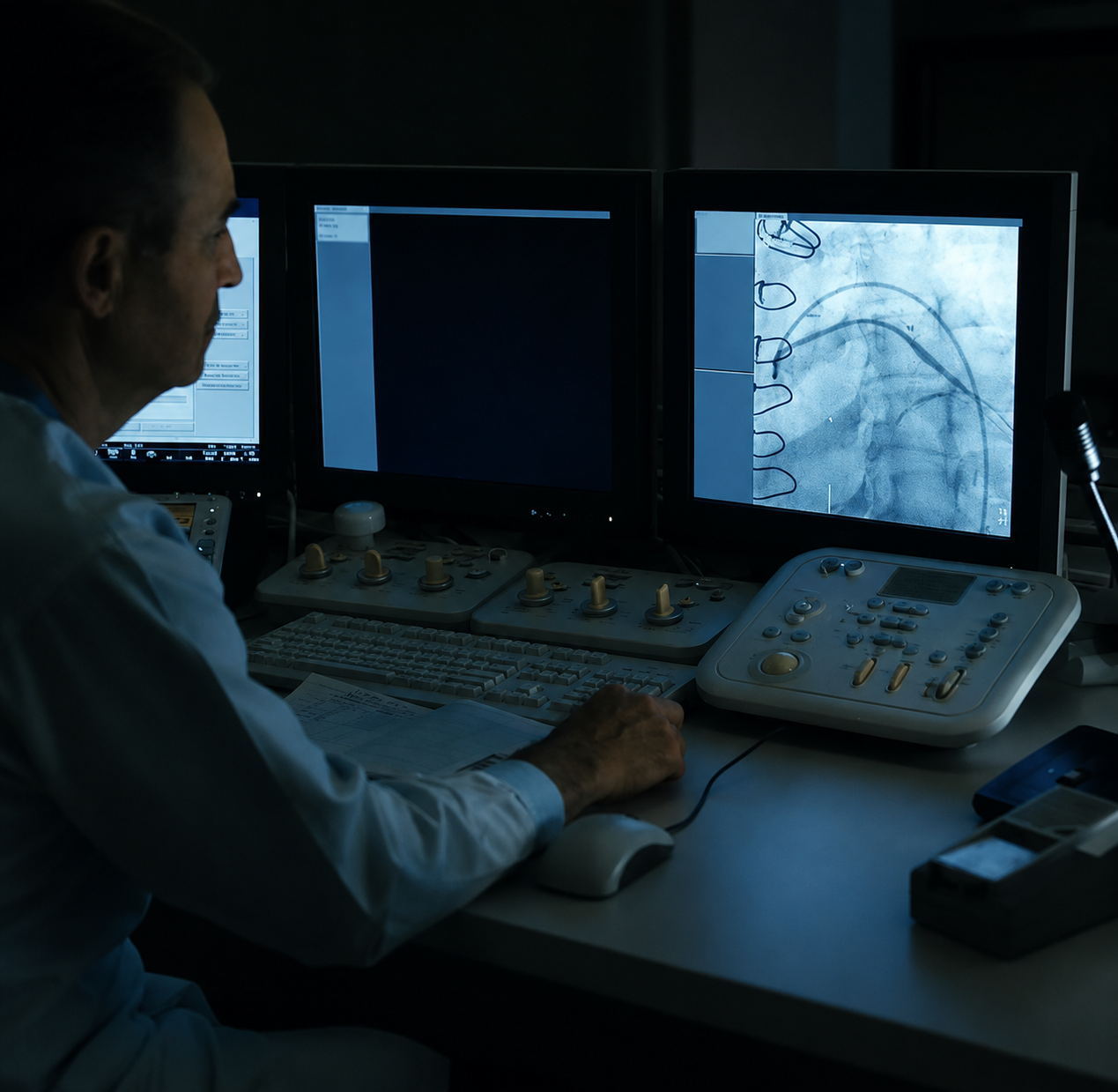
Vascular Surgery
Specialized treatment for blood vessel disorders.
Cardiothoracic Surgery
Advanced surgery of the heart, lungs, and chest.
Balloon Angioplasty (Percutaneous Coronary Intervention – PCI)
Minimally invasive procedure to open blocked coronary arteries.
Aortic Valve Replacement
Restoring heart function by replacing a damaged aortic valve.
Heart Valve Surgery
Expert repair or replacement of damaged heart valves.
Pacemaker Surgery
Regulating your heartbeat with a small, smart device.
Digital Subtraction Angiography (DSA)
Advanced imaging procedure for precise blood vessel visualization.
Minimally Invasive Cardiovascular Surgery (MICS)
Heart surgery through small incisions for faster recovery.
Mitral Valve Replacement (MVR) Surgery
Advanced care for mitral valve disease.
Angiography
Minimally invasive procedure to visualize blood vessels and diagnose blockages.
Angioplasty (Percutaneous Coronary Intervention – PCI)
Minimally invasive treatment for blocked or narrowed arteries.
Why Cardiology Matters
Your heart works every second of every day, pumping blood, oxygen, and nutrients throughout your body. Yet many people only think about heart health when symptoms become difficult to ignore—chest discomfort, breathlessness, fatigue, palpitations, or sudden weakness.
Most serious heart complications do not happen suddenly without warning.
A Comprehensive Approach
Cardiology treatment is not limited to emergency procedures or hospital admissions. It is a complete approach to heart care that includes prevention, risk assessment, accurate diagnosis, medical management, lifestyle correction, and long-term follow-up.
Understanding The Specialty
Foundations of Cardiovascular Health
Understanding cardiology is not just about medical terms; it is about protecting life and making informed decisions at the right time.
What Is Cardiology?
Cardiology is the branch of medicine focused on diagnosing, preventing, and managing diseases related to the heart and blood vessels.
It covers common concerns such as chest pain, high blood pressure, blockages, heart failure, and complex congenital and valve disorders.
Who Is a Cardiologist?
A medical specialist trained to assess symptoms, review medical history, perform heart checkup tests, and customize comprehensive care plans.
Depending on the condition, they may recommend medicines, lifestyle changes, advanced tests, or procedures like angioplasty.
What Cardiology Covers
Cardiology treatment is not just emergency surgery. It is a spectrum spanning preventive checkups, risk monitoring, and long-term recovery support.
If the heart is not functioning properly, your brain, kidneys, lungs, and energy levels can all be affected.
Anatomical Scope of Cardiology
Heart Muscles
Myocardium conditioning and diagnostic analysis
Heart Valves
Treatment of aortic, mitral, and tricuspid valve disorders
Heart Rhythm
Management of tachycardia, bradycardia, and arrhythmias
Blood Vessels
Addressing arterial stiffness, blockages, and deep vein issues
Blood Circulation
Improving peripheral circulation and systemic blood flow
Common Cardiovascular Conditions We Manage
Have you checked your blood pressure or cholesterol levels recently?
Why Heart Health Matters More Than Ever
Heart disease remains one of the leading causes of hospitalization and death globally. What makes cardiac conditions especially serious is that they may progress silently for years before becoming a clinical emergency.
Today’s modern routine has drastically increased cardiovascular risks. Constant stress, poor nutrition, and sedentary work cultures are leading to heart issues even in young adults in their 20s and 30s.
Clinical Red Flag
One of the biggest challenges in cardiology is delayed diagnosis. Patients often normalize tiredness, mild chest heaviness, or reduced exercise tolerance, placing their heart under constant strain.
Modern Risk Factors & Stressors
Stress & Anxiety
Elevates cortisol and adrenaline levels, straining blood vessels.
Poor Sleep
Inadequate rest is linked to higher blood pressure and cardiovascular risk.
Junk Food
Processed foods high in trans fats lead to arterial plaque build-up.
Smoking & Alcohol
Damages vessel lining, increases blood pressure, and hardens arteries.
Lack of Exercise
Weakens heart muscles over time and reduces circulation efficiency.
Obesity
Increases workload on the heart, leading to hypertrophy and strain.
Diabetes
High blood glucose damages blood vessels and heart-controlling nerves.
High Cholesterol
Forms fatty deposits in arteries, reducing blood flow to the heart.
Sedentary Culture
Extended sitting leads to poor metabolism and low vascular tone.
Early Warning Signs You Should Never Ignore
Many patients ignore symptoms, attributing them to fatigue, weakness, acidity, or age. Delaying a professional checkup can lead to permanent muscle damage or severe heart complications.
Chest Pain or Pressure
A tight, squeezing, burning, or heavy feeling in the chest should never be ignored.
Shortness of Breath
Difficulty breathing while walking, climbing stairs, or even resting can be a sign of heart issues.
Unusual Fatigue
If you feel extreme tiredness even after small activities, your heart may not be pumping efficiently.
Palpitations
Fast heartbeat, skipped beats, or fluttering sensation may indicate rhythm problems.
Swelling in Legs or Feet
Fluid retention (edema) can signal heart failure or poor circulation.
Dizziness or Fainting
Reduced blood flow to the brain can cause sudden lightheadedness or syncope.
Pain in Arm, Jaw, Back, or Shoulder
Heart pain does not always stay in the chest; it can radiate to surrounding areas.
Silent Warning Signs
Women, the elderly, and individuals with diabetes frequently do not experience classic, severe chest crushing pain.
Instead, their symptoms can present as unexplained anxiety, back or jaw pain, disturbed sleep, severe cold sweat, or simple extreme fatigue. Awareness is critical.
Are you experiencing any of these signs? Check immediately before it becomes an emergency.
When Should You See a Cardiologist?
Preventive checkups are the single most effective way to avoid cardiac complications. You should proactively consult a cardiologist if you meet any of the following criteria:
Preventive Consultation
A simple health evaluation helps identify risk factors (BP, sugar, cholesterol levels) and manages them before they damage heart valves or arteries.
Need a quick checkup?
Book an online or physical appointment with one of our leading accredited cardiologists today.
Common Heart Tests Explained
Many patients feel anxious when tests are advised, but most evaluations are routine, safe, and critical for creating a proper treatment plan. Understanding each test makes the process stress-free.
Electrocardiogram
Records the heart's electrical activity and detects rhythm issues, ischemia, or chamber enlargement.
Echocardiography
Uses ultrasound waves to create real-time images of heart structure, valves, and pumping capacity.
TMT / Stress Test
Checks how your heart performs during physical exertion, typically on a treadmill, under monitoring.
Holter Monitoring
Tracks heart rhythm continuously over 24–48 hours using a portable device to capture intermittent issues.
CT Angiography / Angiography
Advanced imaging to look for plaques or blockages in coronary arteries with absolute precision.
Cardiac Blood Tests
Checks key biomarkers including cholesterol fractions, glucose, cardiac enzymes, and inflammatory markers.
Most Common Cardiology Treatments
Cardiology treatment is always personalized. A cardiologist treats the patient as a whole, focusing on improving blood flow, controlling symptoms, preventing complications, and supporting long-term recovery.
1. Lifestyle Changes
Often the very first treatment starts at home. Reversing risk factors through active habit correction can stop the progress of heart conditions.
Primary Preventative Action
2. Medicines
Evidence-based pharmacotherapy is essential for regulating blood flow, rhythm, and preventing vascular plaque deposition.
Pharmacological Management
3. Procedures
For advanced blockages, structural errors, or failing heart valves, modern cardiothoracic and vascular procedures offer life-saving support.
Modern cardiology has made interventional procedures and bypass surgeries significantly safer, with extremely high success and recovery rates compared to previous decades.
Can Heart Disease Be Prevented?
In many cases, yes. Prevention is always easier, cheaper, and safer than emergency intervention. Incorporating simple steps can protect your heart indefinitely:
Annual Health Checkups
Allows early identification of micro-vascular deviations.
BP & Sugar Control
Maintains optimal arterial pressure and cellular integrity.
Daily Physical Activity
A simple 30 minutes of aerobic exercise boosts circulation.
Healthy Eating Patterns
Less oil, salt, and processed sugars protects the vascular walls.
Tobacco Abstinence
Completely eliminates toxic plaque building chemical reactions.
The Emotional Side of Heart Health
Recovery from cardiac conditions is not only physical—it is mental too. Many heart patients deal with clinical anxiety, depression, sleep disturbances, and the constant fear of another cardiac event. This is completely normal.
Ask Questions Openly
Understanding your state reduces irrational anxieties.
Follow Doctor’s Advice
Sticking to medical regimes builds safety confidence.
Avoid Internet Misinformation
Consult experts rather than searching scary symptoms online.
Seek Counseling if Needed
Therapeutic guidance can help manage panic or depression.
Build Routines Slowly
Progress in physical activities gradually to build confidence.
Frequently Asked Questions
Quick clinical answers regarding cardiology treatments, tests, and preventative heart care.
Listen to Your Body. Protect Your Future.
Cardiology is not just a medical specialty; it is a life-saving support system. Early diagnosis, timely treatment, and healthy lifestyle habits can help you live a longer, safer, and healthier life.
Disclaimer: This patient guide is for informational and educational purposes only and does not constitute medical advice or substitute professional diagnosis. Always consult a qualified healthcare provider or cardiologist for personalized medical recommendations.