Share this Article
Ever feel breathless after climbing a few stairs or notice swelling in your feet that doesn't go away? While these symptoms can have several causes, they may also indicate heart failure, a condition that affects millions of people worldwide.
Despite its name, heart failure does not mean the heart has stopped working. It means the heart is unable to pump blood efficiently enough to meet the body's needs. When left untreated, it can affect multiple organs and significantly impact quality of life.
The good news is that early diagnosis, proper treatment, and healthy lifestyle changes can help manage the condition effectively.
What Is Heart Failure?
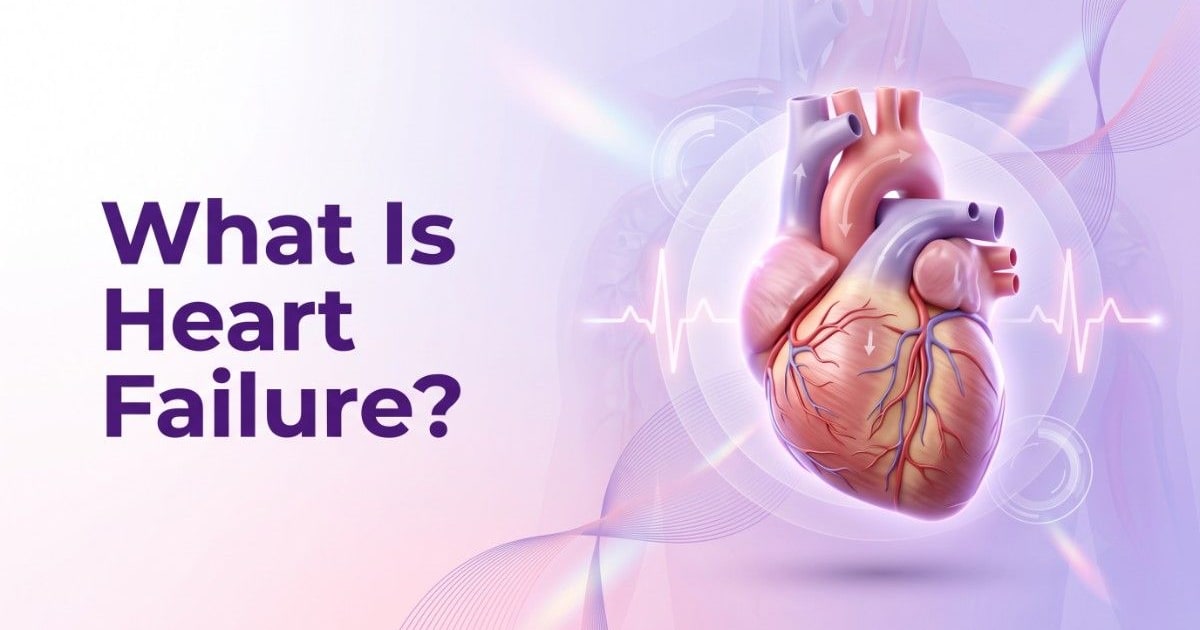
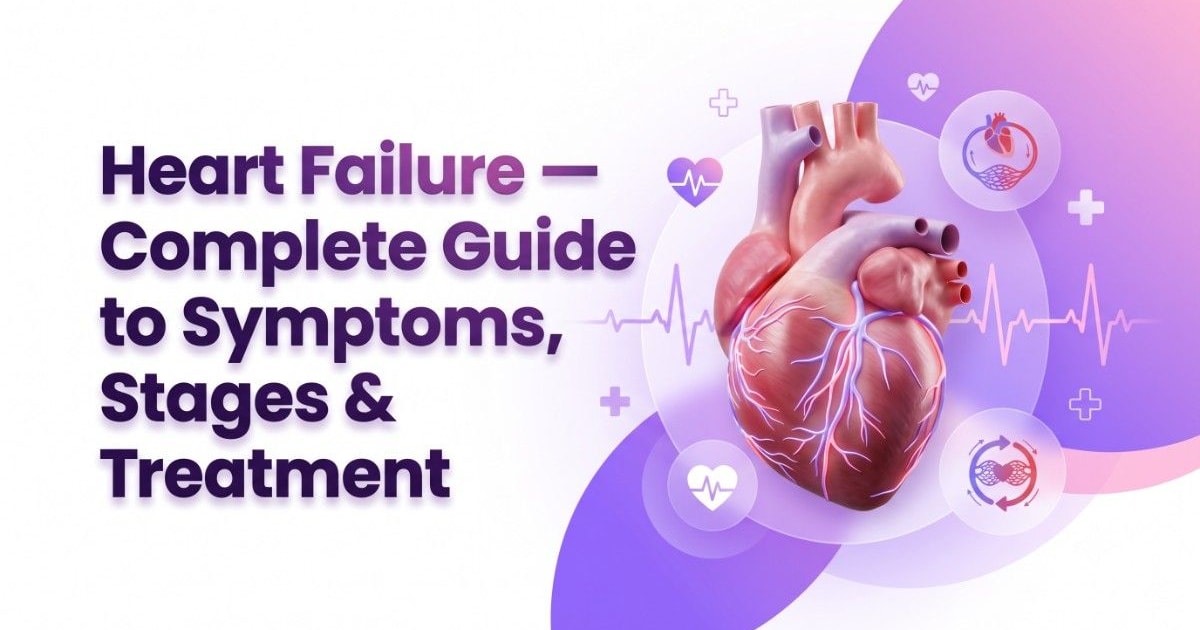
Heart failure is a chronic cardiovascular condition in which the heart becomes too weak or too stiff to pump blood efficiently throughout the body.
As the pumping function decreases, blood and fluid can begin to accumulate in the lungs, legs, ankles, and other parts of the body. This is why many people experience breathlessness, swelling, and fatigue as the condition progresses.
Heart failure can affect the left side, right side, or both sides of the heart.
Types of Heart Failure
There are several forms of heart failure depending on which part of the heart is affected.
Left-Sided Heart Failure
This is the most common type of heart failure. The left ventricle struggles to pump blood effectively, which can lead to fluid buildup in the lungs and cause shortness of breath.
Right-Sided Heart Failure
In this type, the right side of the heart cannot pump blood efficiently to the lungs. As a result, fluid may accumulate in the legs, ankles, feet, and abdomen.
Congestive Heart Failure
Congestive heart failure refers to a stage where fluid buildup becomes more noticeable in the lungs and body tissues. It often causes swelling, breathing difficulties, and reduced physical activity.
Symptoms of Heart Failure
Symptoms may develop gradually over time or appear suddenly in some cases. Common heart failure symptoms include:
Shortness of breath during activity or while lying down
Persistent fatigue and weakness
Swelling in the feet, ankles, legs, or abdomen
Rapid or irregular heartbeat
Reduced exercise tolerance
Wheezing or persistent cough
Sudden weight gain due to fluid retention
Dizziness or lightheadedness
Difficulty concentrating
Loss of appetite or nausea
When Should You Seek Immediate Medical Help?
Contact emergency medical services if you experience:
Severe chest pain
Sudden shortness of breath
Fainting or loss of consciousness
Rapid heartbeat with chest discomfort
Coughing up pink or frothy mucus
Causes of Heart Failure
Heart failure usually develops because another condition has weakened or damaged the heart. Some of the most common causes include:
1. Coronary Artery Disease
Narrowed or blocked arteries reduce blood supply to the heart muscle, making it weaker over time.
2. High Blood Pressure
When blood pressure remains elevated for years, the heart must work harder to circulate blood, eventually leading to weakening of the heart muscle.
3. Previous Heart Attack
A heart attack can permanently damage parts of the heart muscle and reduce its pumping ability.
4. Heart Valve Problems
Damaged or diseased heart valves force the heart to work harder, increasing the risk of heart failure.
5. Cardiomyopathy
Diseases affecting the heart muscle can interfere with normal heart function.
6. Other Risk Factors
Additional risk factors include:
Diabetes
Obesity
Sleep apnea
Arrhythmias
Smoking
Excessive alcohol consumption
Certain medications
Family history of heart disease
Understanding Ejection Fraction
Ejection Fraction (EF) is an important measurement used to determine how effectively the heart pumps blood.
A normal ejection fraction indicates that the heart is pumping efficiently. A reduced ejection fraction may suggest weakened heart function and help doctors assess the severity of heart failure.
Ejection fraction is usually measured through an echocardiogram.
The 4 Stages of Heart Failure
Heart failure is commonly classified into four stages based on severity and progression.
Stage A – High Risk
People have risk factors such as high blood pressure, diabetes, or coronary artery disease but no symptoms of heart failure.
Stage B – Structural Heart Disease
Changes in heart structure are present, but symptoms have not yet developed.
Stage C – Symptomatic Heart Failure
Patients experience symptoms such as breathlessness, fatigue, and swelling and require medical treatment.
Stage D – Advanced Heart Failure
Symptoms become severe and may persist despite standard treatment. Advanced therapies may be required.
NYHA Classification of Heart Failure
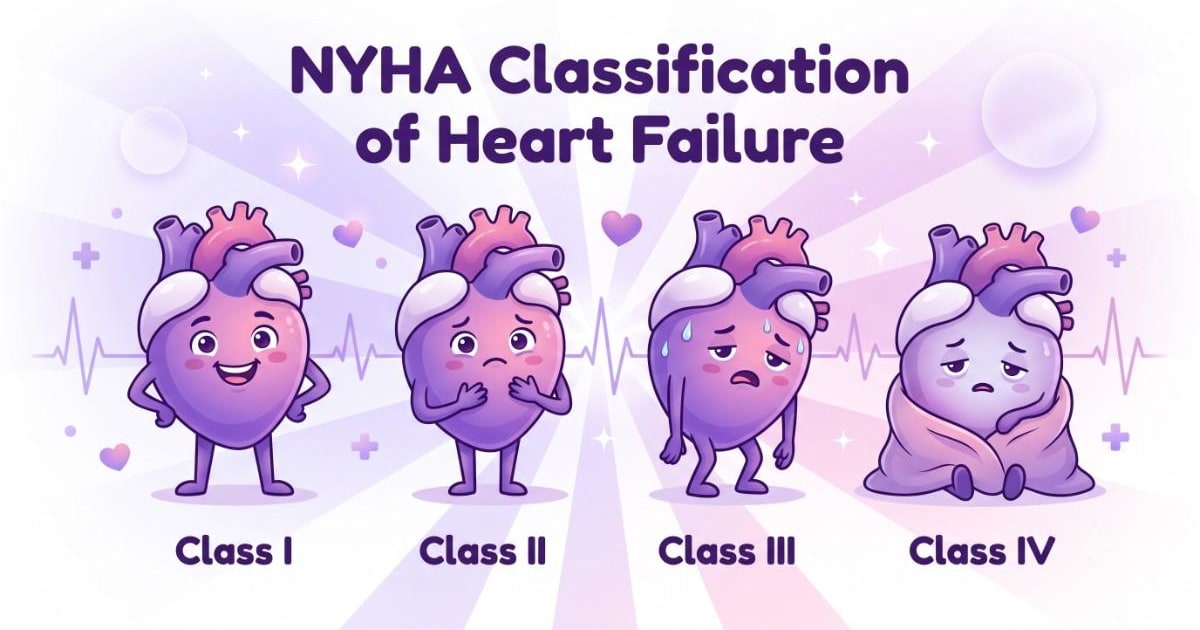
Doctors also use the NYHA Classification to understand how much heart failure affects daily life.
Class I
No limitation of physical activity.
Class II
Mild limitation during normal activities.
Class III
Significant limitation during daily activities.
Class IV
Symptoms occur even while resting.
This classification helps determine treatment strategies and monitor disease progression.
How Is Heart Failure Diagnosed?
Doctors may recommend several tests to confirm heart failure and identify its cause.
Common diagnostic tests include:
Physical examination
Blood tests
Echocardiogram
Chest X-ray
Stress test
Cardiac catheterization and angiography test
What Is a BNP Test?
A BNP test measures levels of B-type natriuretic peptide, a hormone released when the heart is under stress. Higher BNP levels can help doctors diagnose and monitor heart failure.
Heart Failure Treatment
Treatment focuses on improving symptoms, slowing disease progression, and enhancing quality of life.
Lifestyle Changes
Healthy lifestyle habits play a major role in heart failure management.
Doctors often recommend the following:
Following a low-sodium diet
Maintaining a healthy weight
Exercising regularly
Quitting smoking
Limiting alcohol consumption
Managing diabetes and blood pressure
Reducing stress levels
Monitoring fluid intake
Medications
Depending on the condition, treatment may include the following:
ACE inhibitors
Beta-blockers
Diuretics
SGLT2 inhibitors
Other heart-supporting medications
Diuretics in Heart Failure
Diuretics in heart failure help remove excess fluid from the body, reducing swelling and improving breathing.
Surgical and Advanced Treatment Options
When medications alone are not enough, doctors may recommend advanced procedures.
1. Coronary Artery Bypass Surgery
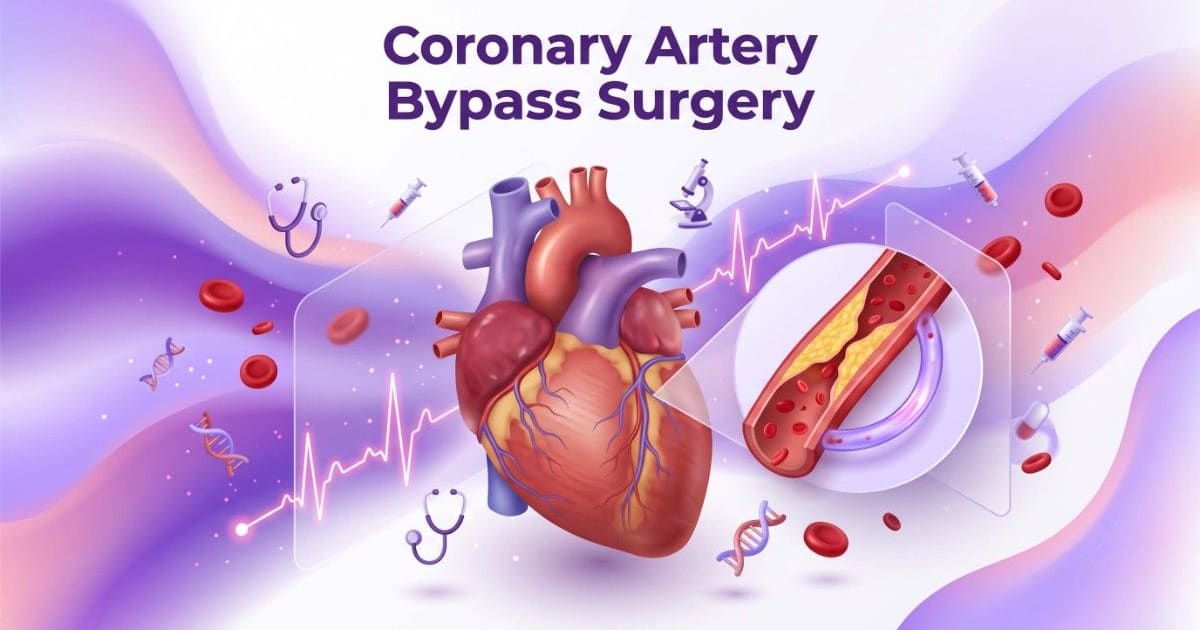
Improves blood flow around blocked arteries.
2. Heart Valve Repair or Replacement
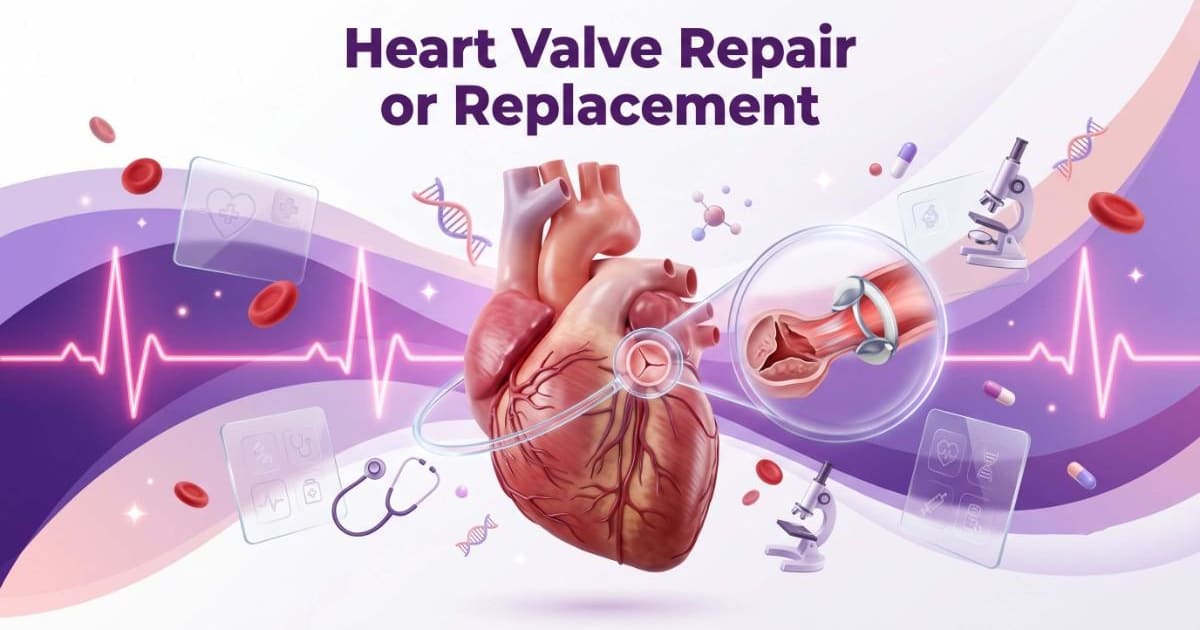
Corrects damaged heart valves that contribute to heart failure.
3. Implantable Cardioverter Defibrillator (ICD)
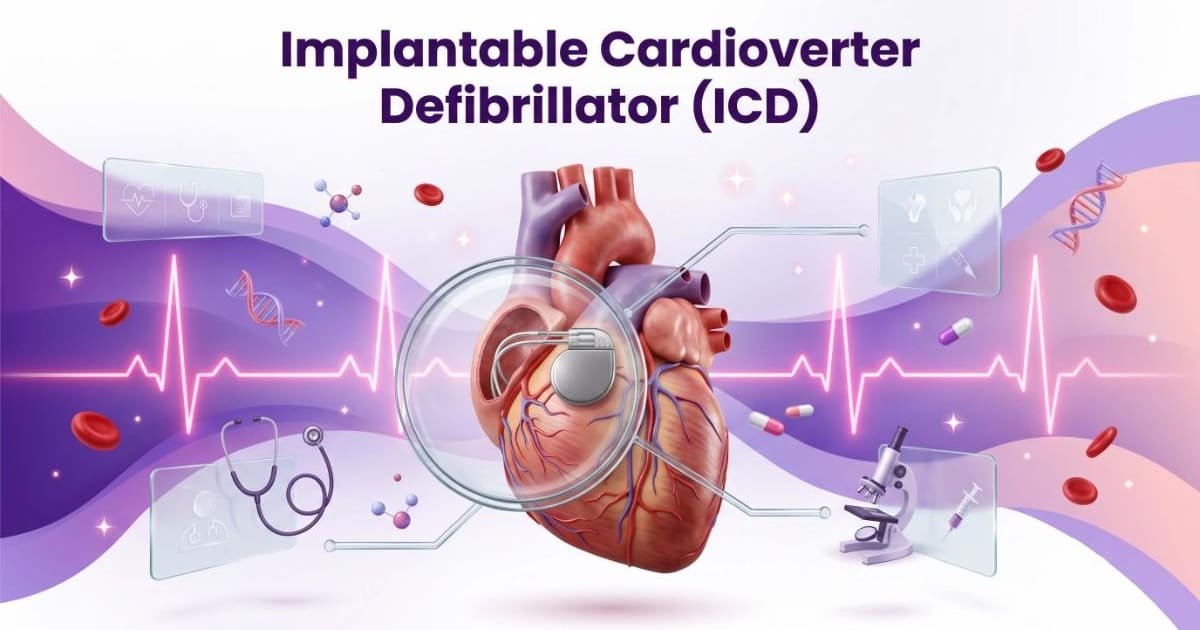
Monitors heart rhythm and delivers treatment when dangerous arrhythmias occur.
4. Cardiac Resynchronization Therapy (CRT)
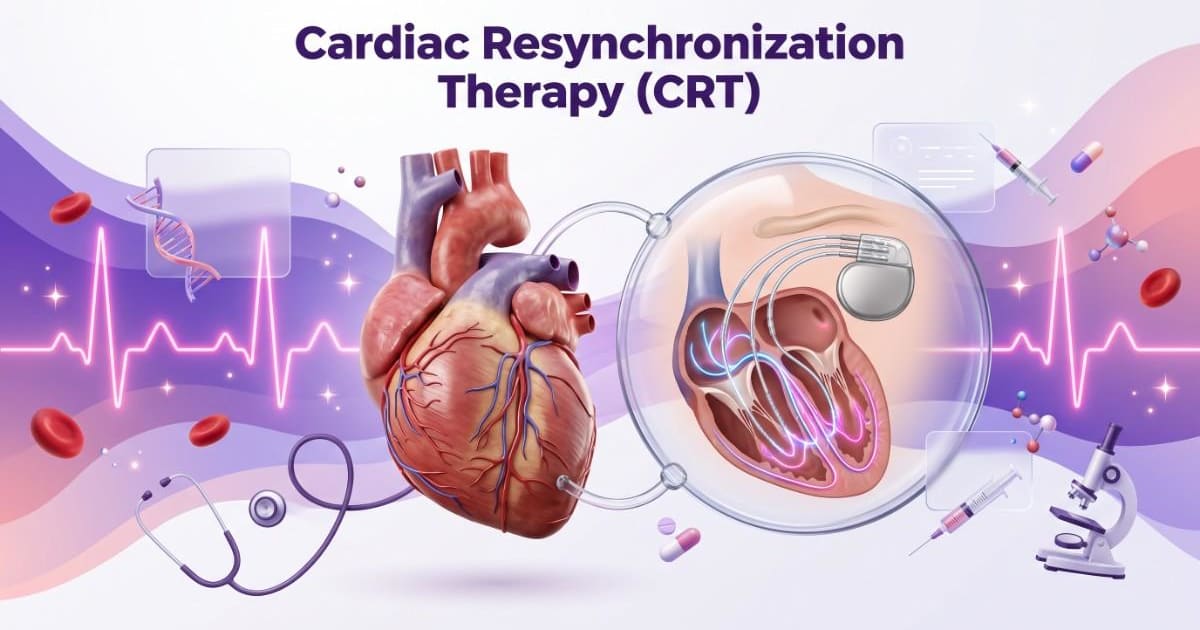
Uses a specialised pacemaker to improve heart pumping efficiency.
5. Ventricular Assist Device (VAD)
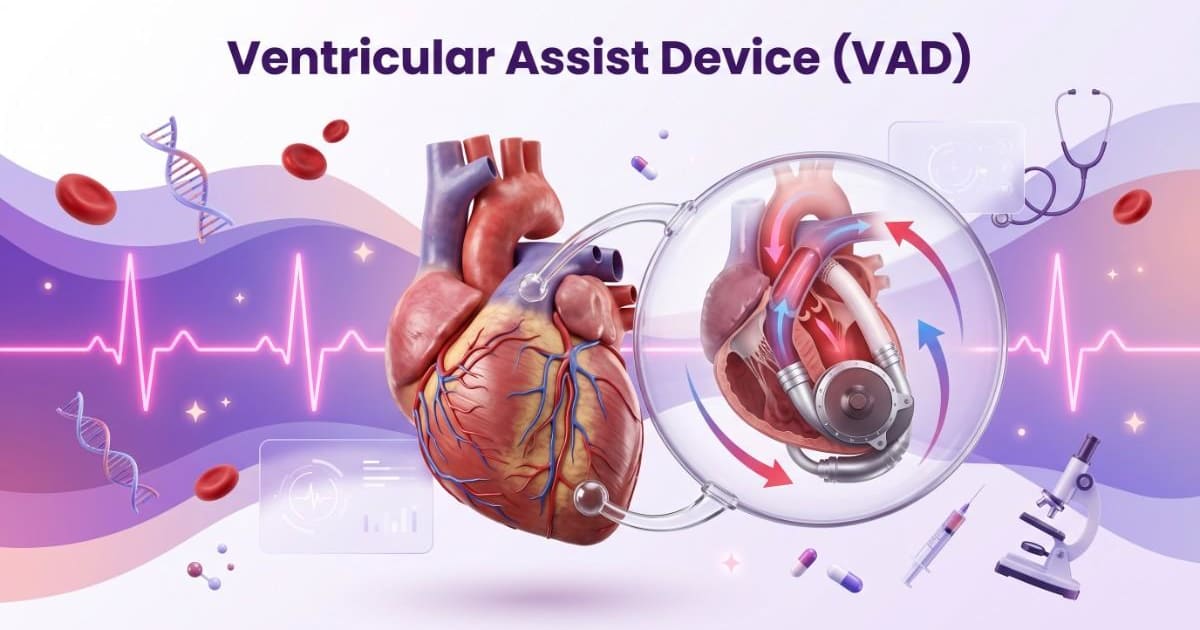
A mechanical pump that helps the heart circulate blood.
6. Heart Transplant
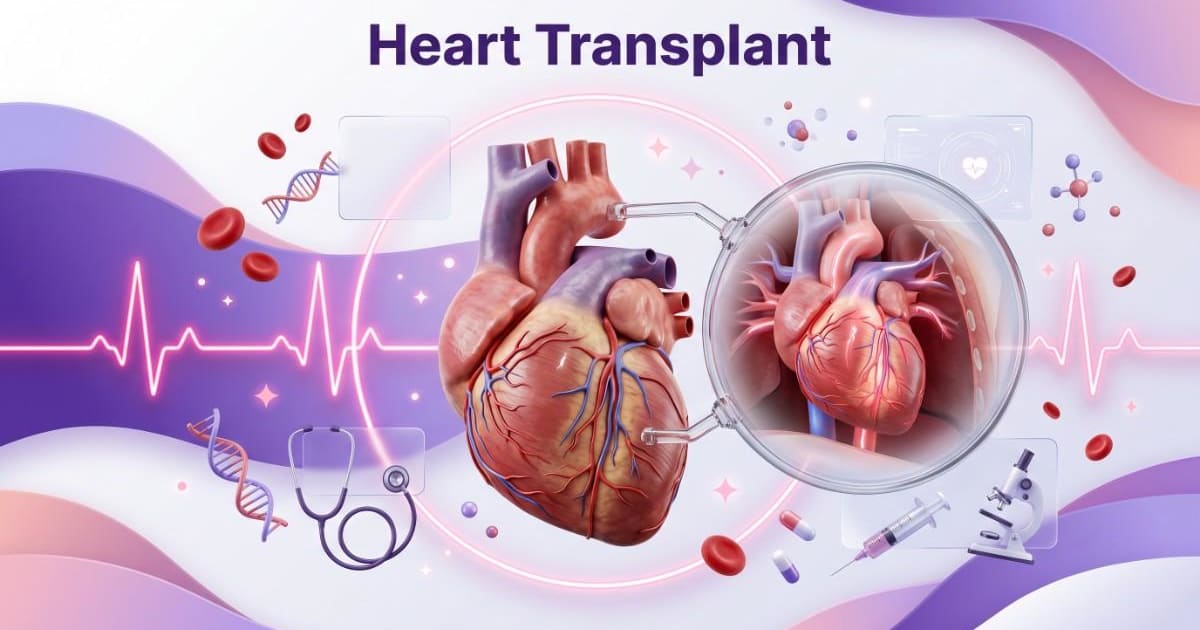
Considered for patients with severe end-stage heart failure.
Heart Failure vs Heart Attack
Many people use these terms interchangeably, but they are very different conditions.
Heart Failure | Heart Attack |
A chronic condition | A sudden medical emergency |
Heart cannot pump blood efficiently | Blood flow to the heart is blocked |
Develops gradually | Occurs suddenly |
Causes swelling, fatigue, and breathlessness | Usually causes severe chest pain |
Requires long-term management | Requires immediate treatment |
A heart attack can sometimes lead to heart failure if it damages the heart muscle.
Can Heart Failure Be Prevented?
While not every case can be prevented, adopting healthy habits can significantly reduce the risk.
Prevention Tips
Manage diabetes effectively
Maintain a healthy weight
Exercise regularly
Eat a heart-healthy diet
Avoid smoking
Limit alcohol consumption
Get regular health checkups
Conclusion
Heart failure is a serious but manageable condition. Understanding the symptoms, causes, stages, and treatment options can help patients seek timely medical attention and prevent complications.
With early diagnosis, appropriate medications, healthy lifestyle changes, and advanced treatment options when needed, many people with heart failure can continue to lead active and fulfilling lives. If you are looking for reliable cardiac care, experienced specialists, and suitable treatment options, GetBeds can help you explore trusted hospitals and make informed healthcare decisions.
Frequently Asked Questions
Heart failure occurs when the heart cannot pump blood efficiently. A heart attack happens when blood flow to part of the heart is suddenly blocked. A heart attack can sometimes cause heart failure.
The four stages are Stage A (high risk), Stage B (structural changes without symptoms), Stage C (symptomatic heart failure), and Stage D (advanced heart failure).
Common early signs include fatigue, shortness of breath, swelling in the legs or ankles, and reduced exercise tolerance.
Congestive heart failure is a form of heart failure where fluid accumulates in the lungs and body tissues due to reduced pumping efficiency.
Heart failure is generally a long-term condition. While it may not always be cured, treatment can help control symptoms and slow progression.
Treatment may include lifestyle changes, medications, cardiac devices, valve procedures, bypass surgery, or heart transplantation depending on the severity of the condition.
Disclaimer:
This blog is intended for informational purposes only and does not constitute medical advice. Always consult a qualified healthcare professional for diagnosis and treatment.