Share this Article
Did you know that many people with cardiomyopathy may not notice symptoms until the condition has already started affecting their heart function?
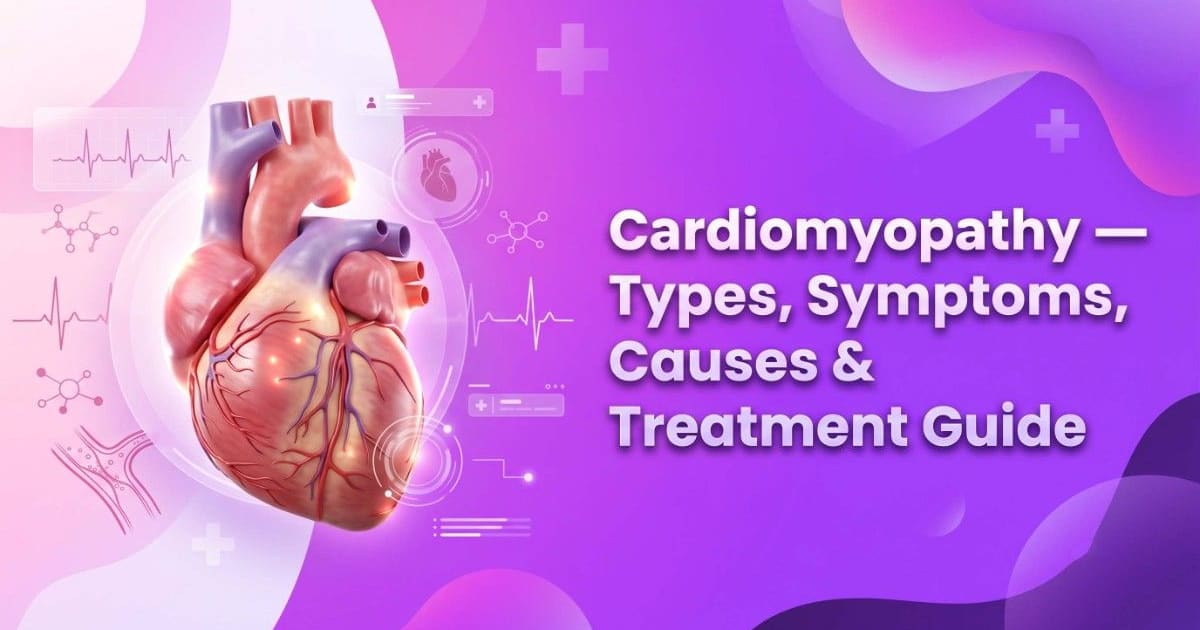
Cardiomyopathy is a form of heart muscle disease that can weaken the heart's ability to pump blood efficiently. In some cases, it can lead to irregular heart rhythms, heart failure, or other serious complications. While some forms are inherited, others develop due to underlying health conditions or lifestyle factors.
The good news is that early diagnosis and proper treatment can help manage symptoms, improve heart function, and reduce the risk of complications.
What Is Cardiomyopathy?
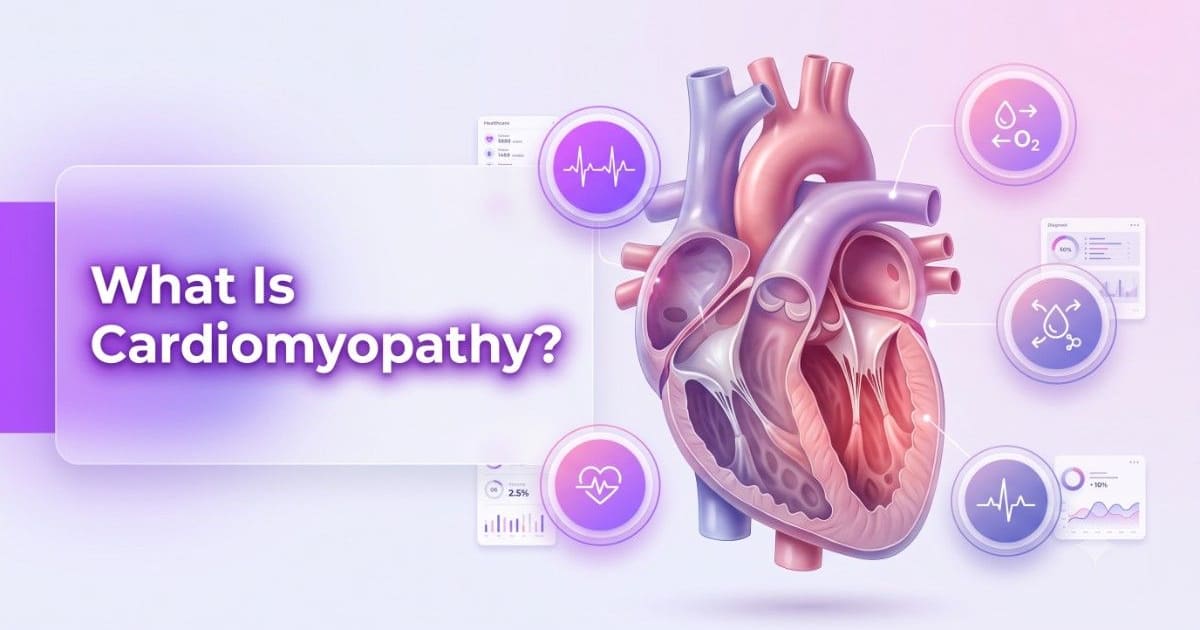
Cardiomyopathy is a disease of the heart muscle that affects the heart's ability to pump blood to the rest of the body. Over time, the heart muscle may become enlarged, thickened, stiff, or weakened, making it harder for the heart to function normally.
As the condition progresses, the heart may struggle to supply enough oxygen-rich blood to vital organs. This can increase the risk of heart failure, arrhythmias, blood clots, and other cardiovascular complications.
Although cardiomyopathy is a serious condition, many people are able to manage it successfully with medications, lifestyle modifications, and ongoing medical care.
Types of Cardiomyopathy
There are several types of cardiomyopathy, each affecting the heart muscle differently.
1. Dilated Cardiomyopathy
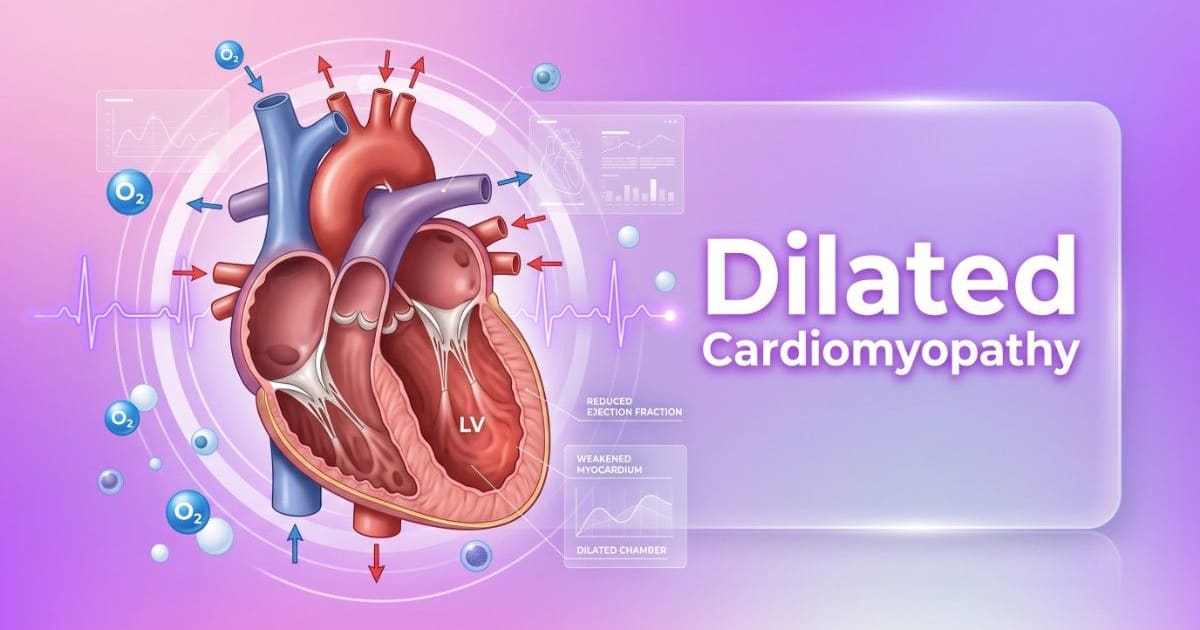
Dilated cardiomyopathy (DCM) is the most common type of cardiomyopathy. In this condition, the heart chambers become enlarged and stretched, particularly the left ventricle.
As the heart muscle becomes thinner and weaker, it loses its ability to pump blood efficiently. Over time, this can lead to reduced ejection fraction, heart failure, and rhythm abnormalities.
2. Hypertrophic Cardiomyopathy
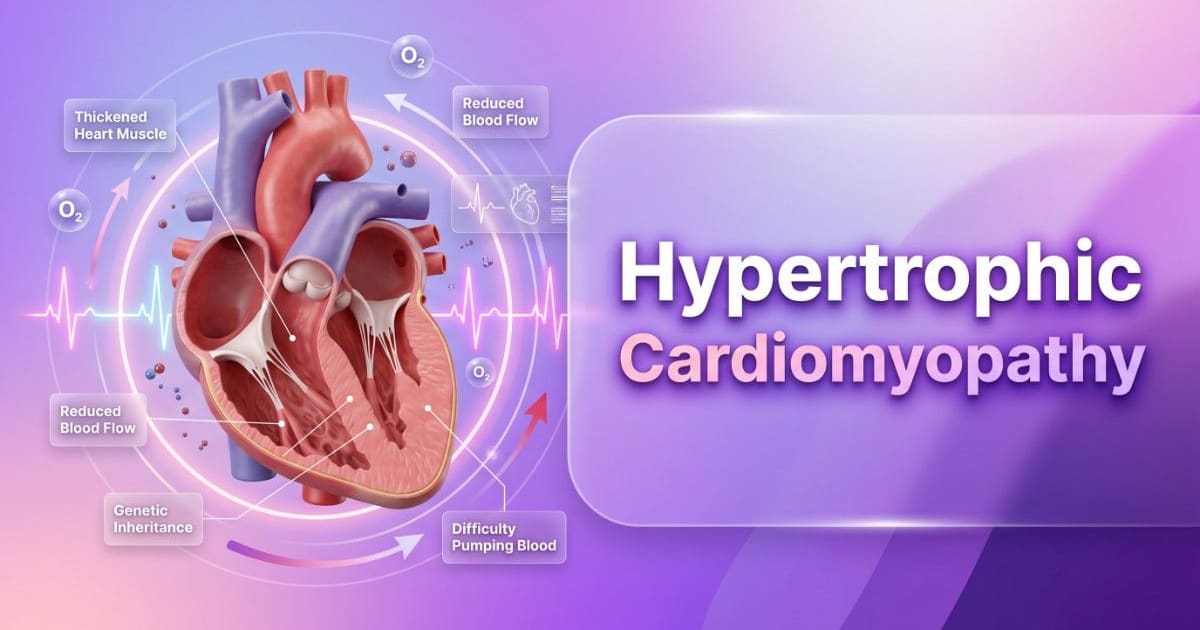
Hypertrophic cardiomyopathy (HCM) occurs when the heart muscle becomes abnormally thick.
The thickened muscle can make it more difficult for the heart to pump blood properly. In many cases, hypertrophic cardiomyopathy is inherited and may run in families.
Some individuals experience symptoms, while others remain symptom-free for years.
3. Restrictive Cardiomyopathy
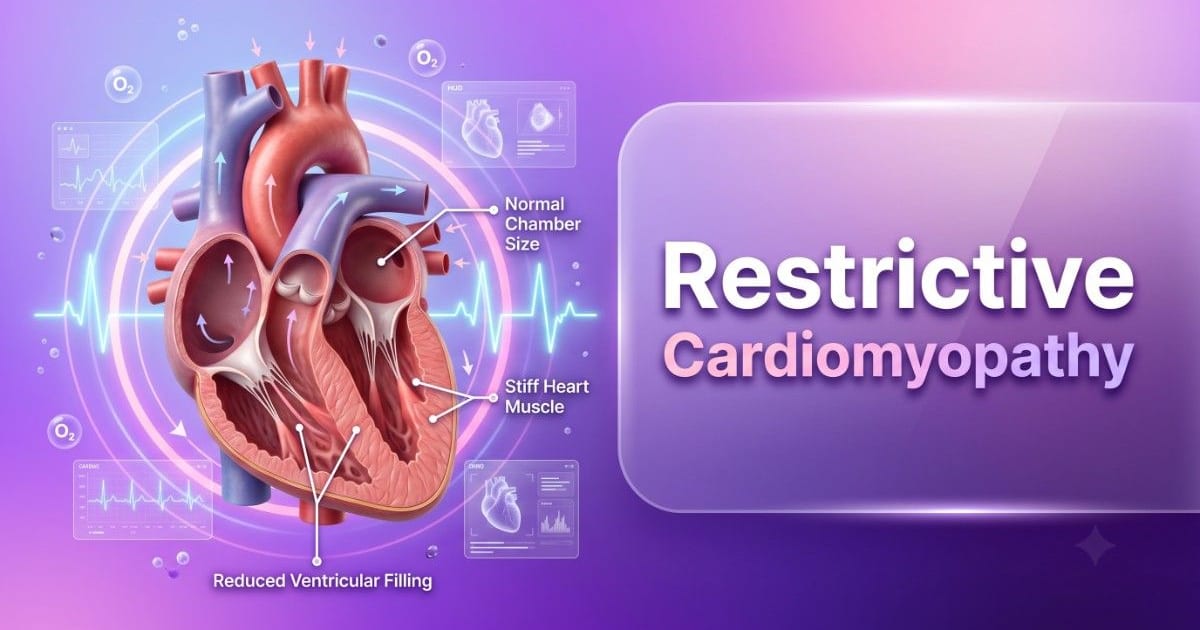
Restrictive cardiomyopathy is a less common form of heart muscle disease. The heart muscle becomes stiff and less flexible, preventing the chambers from filling properly between heartbeats.
Although the heart may still pump normally, reduced filling can affect blood circulation throughout the body.
4. Arrhythmogenic Right Ventricular Cardiomyopathy (ARVC)
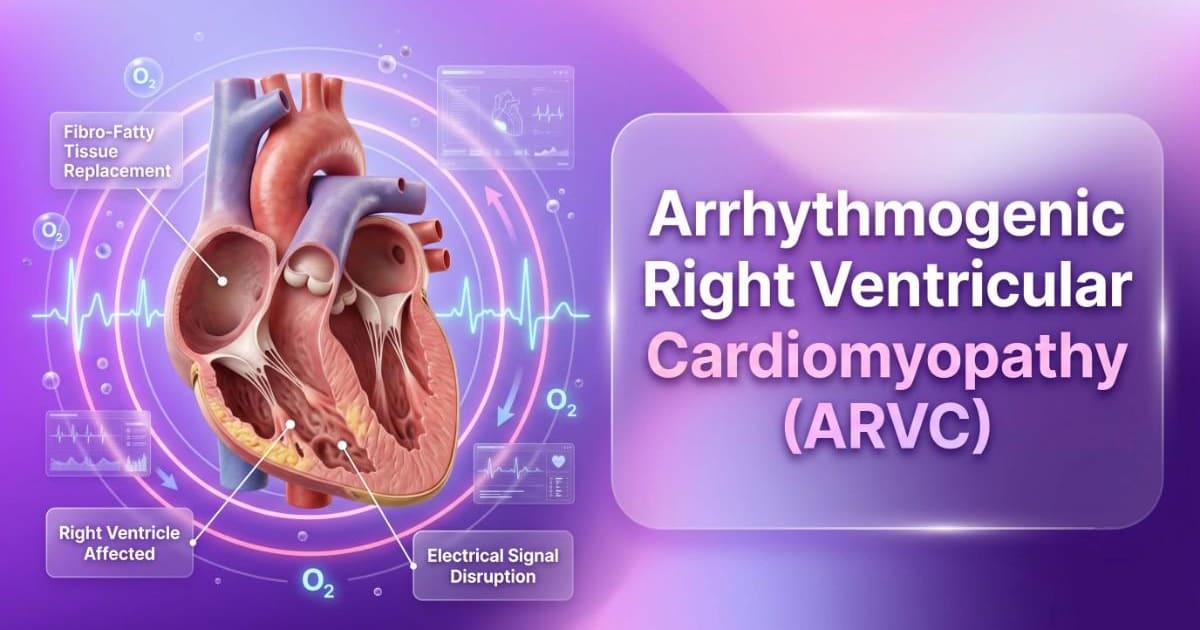
In this rare condition, healthy heart muscle is gradually replaced by fatty or scar tissue, primarily in the right ventricle.
This can interfere with the heart's electrical system and increase the risk of dangerous arrhythmias.
5. Peripartum Cardiomyopathy
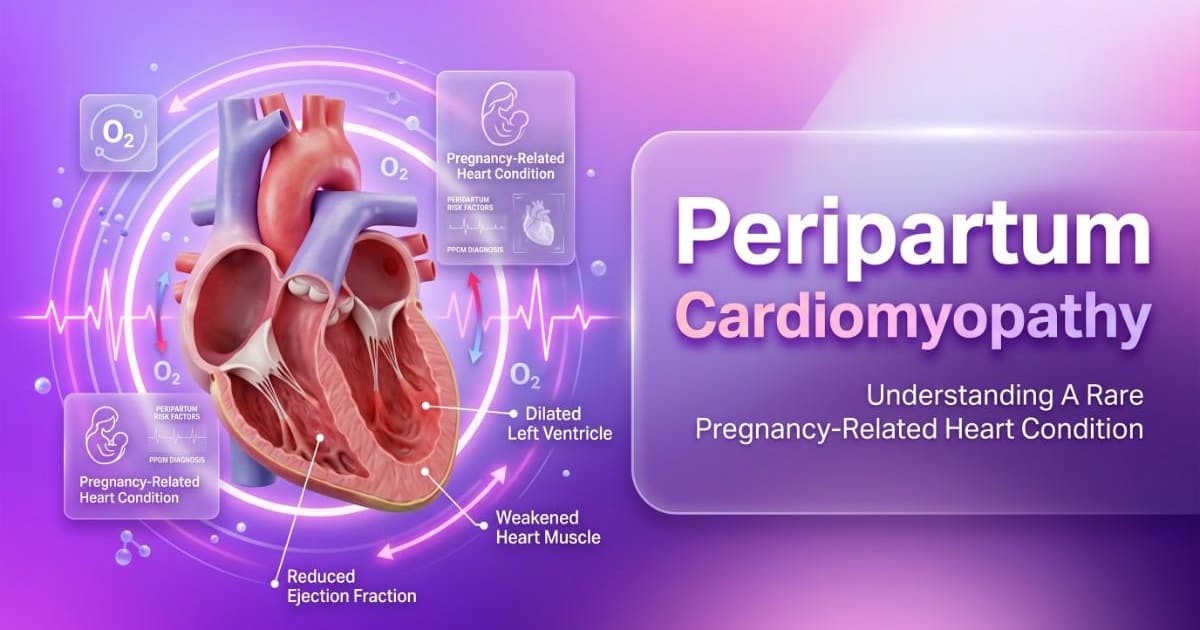
Peripartum cardiomyopathy is a rare form of cardiomyopathy that develops during the last month of pregnancy or within several months after childbirth.
Early diagnosis and treatment are important for improving outcomes and protecting heart function.
Symptoms of Cardiomyopathy
Some people with cardiomyopathy experience no symptoms initially. Others may develop symptoms gradually as the condition progresses.
Common cardiomyopathy symptoms include:
Shortness of breath during activity or at rest
Fatigue and weakness
Chest pain or discomfort
Rapid, fluttering, or pounding heartbeats
Swelling in the legs, ankles, feet, or abdomen
Dizziness or lightheadedness
Fainting episodes
Reduced ability to exercise
Symptoms often become more noticeable when the heart's pumping function declines.
What Causes Cardiomyopathy?
The exact cause of cardiomyopathy is not always known. However, several factors can increase the risk of developing the condition.
Genetic Factors
Many forms of cardiomyopathy are inherited. Certain genetic mutations can affect the structure and function of the heart muscle, increasing the likelihood of developing the disease.
Heart Conditions
Several cardiovascular conditions can contribute to cardiomyopathy, including:
Coronary artery disease
Previous heart attack
Long-term high blood pressure
Heart valve disorders
Medical Conditions
Certain health problems can damage the heart muscle over time, such as:
Diabetes
Thyroid disorders
Autoimmune diseases
Hemochromatosis (iron overload)
Amyloidosis
Sarcoidosis
Infections and Inflammation
Viral infections that affect the heart muscle can sometimes lead to cardiomyopathy.
Lifestyle Factors
Certain lifestyle habits may increase the risk of developing heart muscle disease, including:
Excessive alcohol consumption
Drug abuse
Smoking
Long-term exposure to certain chemotherapy medications
Risk Factors for Cardiomyopathy
Some individuals may have a higher risk of developing cardiomyopathy due to factors such as:
Family history of cardiomyopathy
Previous heart attack
High blood pressure
Obesity
Diabetes
Alcohol misuse
Use of recreational drugs
Pregnancy-related complications
Certain autoimmune disorders
Understanding these risk factors can help support earlier diagnosis and treatment.
Understanding Ejection Fraction
Ejection Fraction (EF) is an important measurement used to evaluate how effectively the heart pumps blood.
A normal ejection fraction generally indicates healthy pumping function, while a reduced ejection fraction may suggest weakened heart muscle performance.
Doctors commonly measure ejection fraction using an echocardiogram to assess the severity of cardiomyopathy and guide treatment decisions.
Cardiomyopathy vs Heart Failure
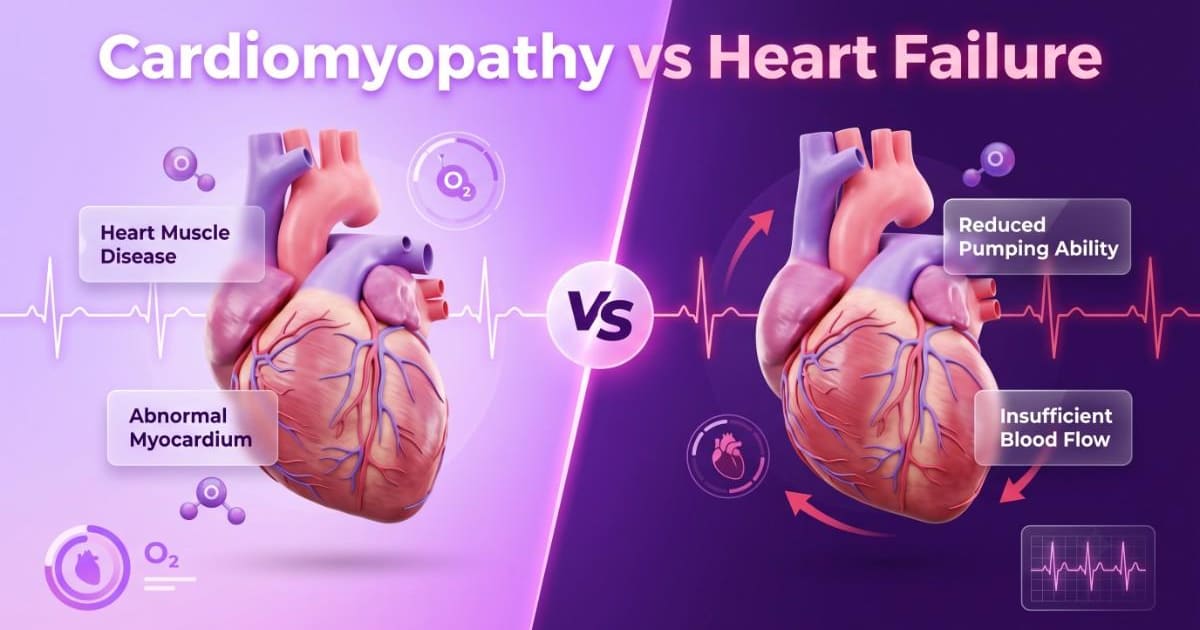
Many people confuse cardiomyopathy vs heart failure, but they are not the same condition.
Cardiomyopathy is a disease affecting the heart muscle itself.
Heart failure is a condition in which the heart cannot pump enough blood to meet the body's needs.
Cardiomyopathy is one of the leading causes of heart failure. However, not everyone with cardiomyopathy develops heart failure immediately.
Cardiomyopathy | Heart Failure |
Disease of the heart muscle | Reduced pumping ability of the heart |
Can be inherited or acquired | Often develops as a result of heart disease |
May lead to heart failure over time | Can occur due to several heart conditions |
Affects heart structure and function | Affects overall circulation |
How Is Cardiomyopathy Diagnosed?
Early diagnosis can help prevent complications and improve long-term outcomes.
Doctors may recommend several tests, including:
Physical examination
Blood tests
Echocardiogram
Chest X-ray
Cardiac MRI
Stress testing
Genetic testing in selected cases
These tests help determine the type, severity, and underlying cause of cardiomyopathy.
Treatment for Cardiomyopathy
The goal of treatment is to control symptoms, improve heart function, and reduce the risk of complications.
Lifestyle Changes
Healthy lifestyle habits play an important role in managing cardiomyopathy.
Recommended changes may include:
Following a heart-healthy diet
Limiting salt intake
Maintaining a healthy weight
Exercising regularly as advised by your doctor
Managing stress
Getting adequate sleep
Monitoring blood pressure and cholesterol levels
Medications
Depending on the type and severity of cardiomyopathy, doctors may prescribe:
Beta-blockers
ACE inhibitors
Diuretics
Blood thinners
Antiarrhythmic medications
Cholesterol-lowering medications
These medications help reduce strain on the heart and improve blood circulation.
Medical Devices
In some cases, implanted devices may be recommended to support heart function.
These may include:
Pacemakers
Implantable Cardioverter Defibrillators (ICDs)
Cardiac Resynchronization Therapy (CRT)
Surgical Treatment
For severe cases, advanced treatment options may be necessary.
These can include:
Septal myectomy
Alcohol septal ablation
Catheter ablation
Left ventricular assist devices (LVAD)
Heart transplantation
The most appropriate treatment depends on the type of cardiomyopathy and the patient's overall health.
Can Cardiomyopathy Be Prevented?
Inherited forms of cardiomyopathy cannot always be prevented. However, adopting healthy lifestyle habits may help lower the risk of acquired cardiomyopathy.
Some preventive measures include:
Managing high blood pressure
Controlling diabetes
Maintaining healthy cholesterol levels
Exercising regularly
Avoiding smoking
Limiting alcohol consumption
Maintaining a healthy body weight
Attending regular health checkups
Living With Cardiomyopathy
Many individuals with cardiomyopathy continue to lead active and fulfilling lives with proper treatment and monitoring. Long-term management often involves:
Taking medications as prescribed
Following a heart-healthy diet
Staying physically active within safe limits
Monitoring symptoms regularly
Attending routine follow-up appointments
Avoiding harmful substances such as tobacco and excessive alcohol
Working closely with a cardiologist can help reduce complications and improve overall quality of life.
Conclusion
Cardiomyopathy is a serious condition that affects the heart muscle and its ability to pump blood efficiently. While some forms are inherited and others develop due to underlying health conditions, early diagnosis and proper treatment can significantly improve outcomes.
Understanding the various types of cardiomyopathy, recognising early symptoms, and seeking timely medical care are essential steps toward protecting heart health. With appropriate medications, lifestyle modifications, and advanced treatment options when needed, many patients are able to manage the condition successfully and maintain a good quality of life. If you're looking for expert cardiac care, GetBeds can help you connect with trusted hospitals and experienced cardiologists for the right treatment and guidance.
Frequently Asked Questions
Cardiomyopathy is a disease of the heart muscle that makes it harder for the heart to pump blood effectively. Over time, it can lead to heart failure, arrhythmias, or other cardiovascular complications.
The main types include Dilated Cardiomyopathy, Hypertrophic Cardiomyopathy, Restrictive Cardiomyopathy, Arrhythmogenic Right Ventricular Cardiomyopathy (ARVC), and Peripartum Cardiomyopathy.
Dilated Cardiomyopathy causes the heart chambers to enlarge and weaken, while Hypertrophic Cardiomyopathy causes the heart muscle to become abnormally thick.
Some forms of cardiomyopathy can improve with treatment and lifestyle changes. However, many types require lifelong management to control symptoms and prevent complications.
Common causes include genetic factors, coronary artery disease, high blood pressure, diabetes, infections, alcohol misuse, and certain medical conditions that affect the heart muscle.
Treatment may include lifestyle modifications, medications, pacemakers, ICDs, cardiac resynchronisation therapy, surgical procedures, or heart transplantation in severe cases.
Disclaimer:
This article is for general information only and is not a substitute for professional medical advice. Always speak with a qualified doctor before making any health decisions.