Share this Article
Being diagnosed with early-stage lung cancer can leave you wondering which treatment is right for you. Should you have surgery to remove the tumor, or could radiation treat it without an operation?
The answer is not the same for everyone. For early-stage non-small cell lung cancer (NSCLC), surgery and radiation can both have an important role. Doctors consider the tumor, lymph nodes, lung function, overall health, and whether the cancer can be safely removed before recommending a treatment approach.
Understanding lung cancer treatment
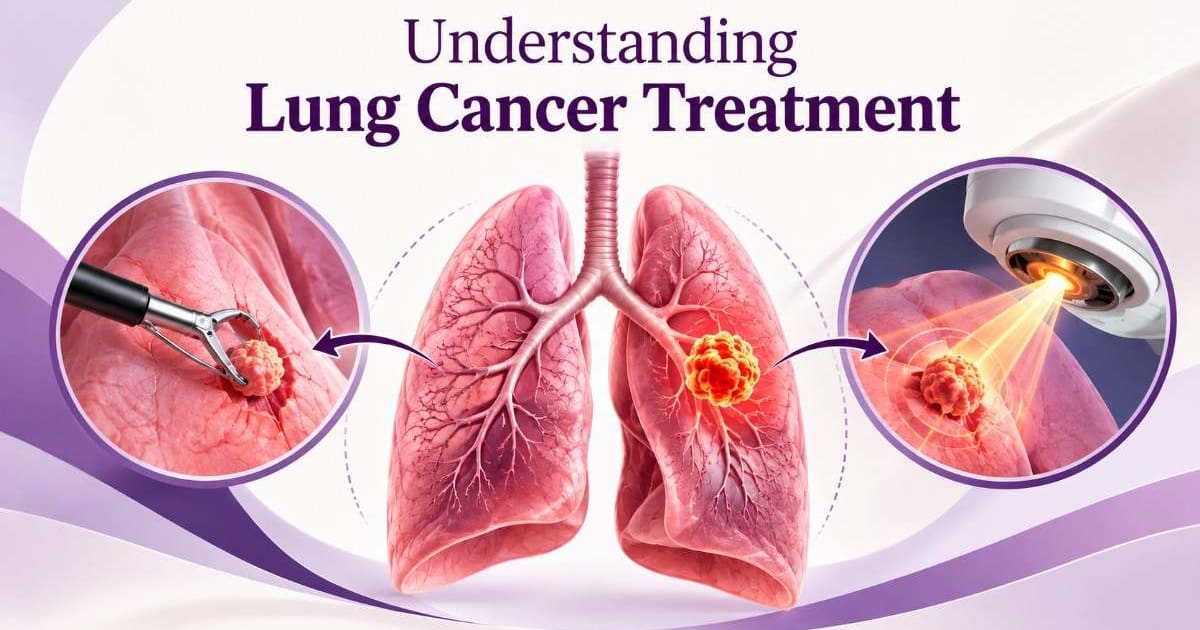
Treatment decisions depend on the exact stage and characteristics of the cancer.
For stage I NSCLC, surgery is a standard treatment when the patient is medically suitable for an operation. Radiation therapy, particularly stereotactic body radiation therapy (SBRT), is an important option for people who cannot undergo surgery and may also be considered in selected situations.
For stage II NSCLC, surgery is also an important treatment option when the cancer is resectable, often with additional treatment depending on the pathology and individual case.
Lung cancer surgery
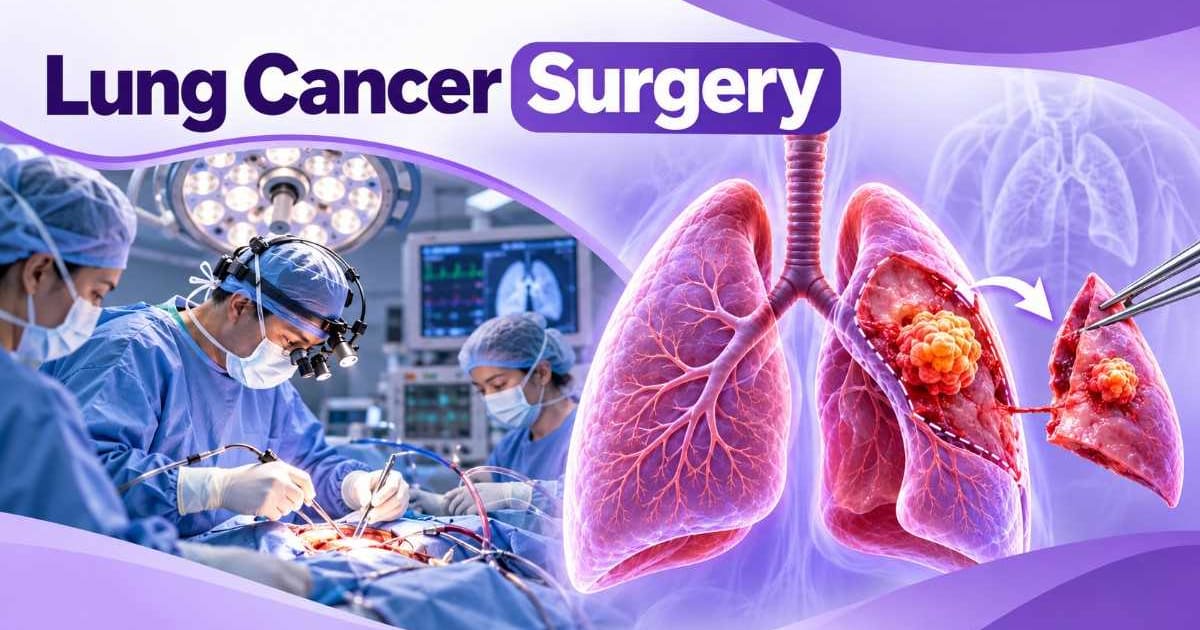
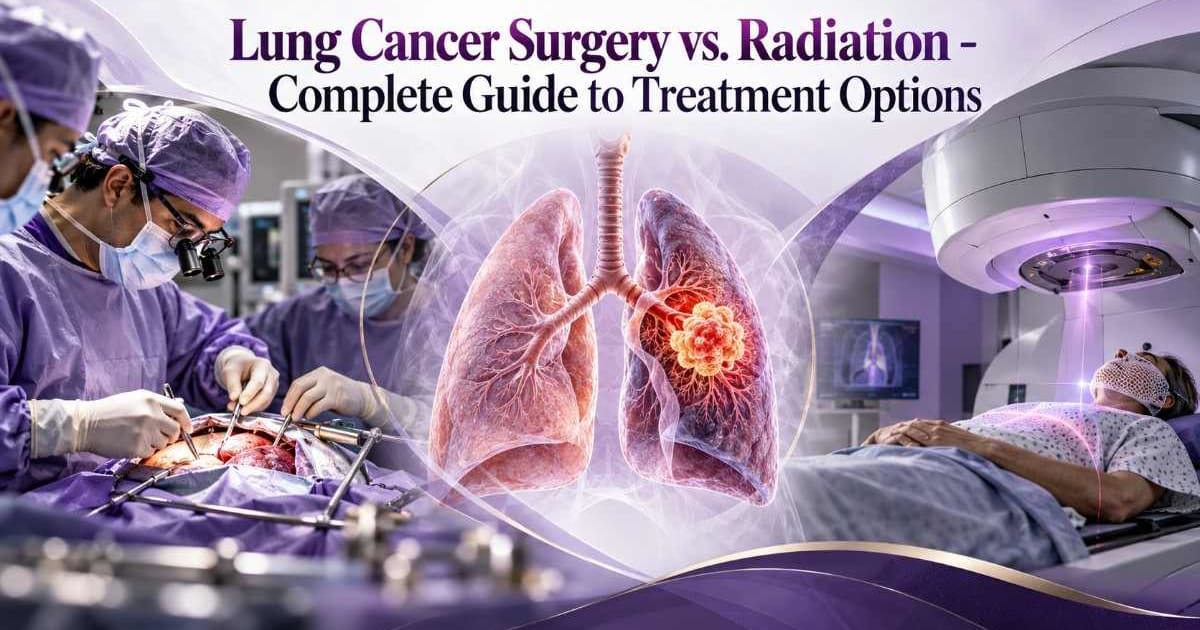
Lung cancer surgery physically removes the tumour and some surrounding lung tissue. Depending on the cancer, the operation may involve a wedge resection, segmentectomy, lobectomy, sleeve resection or, in selected cases, removal of an entire lung.
Nearby lymph nodes may also be sampled or removed to determine whether the cancer has spread.
Potential Benefits of Surgery
One important advantage of surgery is that the tumour is physically removed. Surgery also provides tissue from the tumour and lymph nodes for detailed pathological examination, which can help determine the exact stage and guide further treatment.
For patients who are suitable for surgery, it may be used with curative intent in early-stage NSCLC.
Possible Risks of Surgery
Surgery is an invasive treatment and can involve risks such as:
Bleeding
Infection
Blood clots
Air leakage
Heart rhythm problems
Breathing difficulties
Recovery also takes longer than many radiation treatments and varies depending on the operation and the person's health.
Radiation Therapy for Lung Cancer
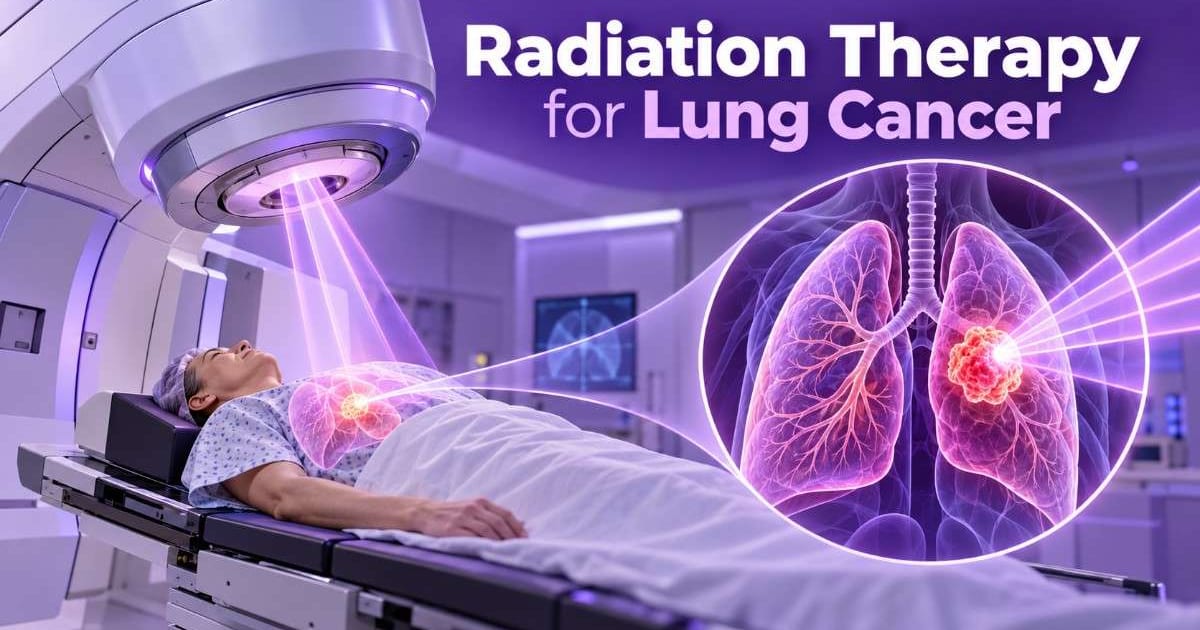
Radiation therapy uses high-energy radiation to damage and destroy cancer cells. One specialised form is stereotactic body radiation therapy, or SBRT, which delivers highly focused radiation to a tumour over a limited number of treatment sessions.
SBRT is particularly established as a treatment option for early-stage NSCLC when a patient is medically inoperable.
Potential Benefits of Radiation
Radiation does not require surgical removal of lung tissue. For patients who cannot safely undergo surgery because of lung function, other medical conditions or overall health, SBRT can provide a non-surgical treatment approach. Treatment schedules can also be much shorter than conventional radiation in selected early-stage cases.
Possible Risks of Radiation
Radiation can cause side effects, although they vary depending on the treatment area, dose and individual patient. Possible effects may include fatigue, cough, breathing problems or inflammation of the lung. Longer-term changes, including lung scarring, can also occur.
The radiation oncology team will explain the potential risks based on the treatment plan.
Surgery vs Radiation for Lung Cancer
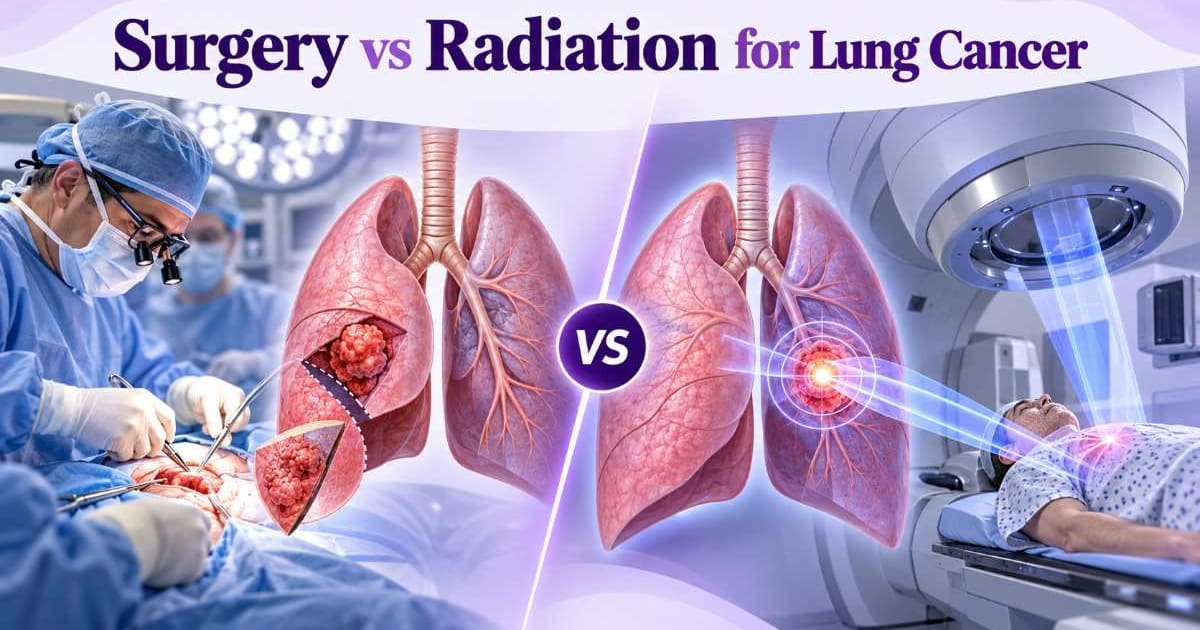
Surgery and radiation are not simply two treatments where one is automatically better for every patient. Surgery may be considered when the tumour can be removed and the patient can safely undergo an operation. Radiation, particularly SBRT, may be considered when surgery is not suitable and in certain other clinical situations. The decision can depend on:
Stage of lung cancer
Tumour size
Tumour location
Lymph node involvement
Lung function
Heart and overall health
Previous treatments
Patient preferences
When Is Radiation Preferred Over Surgery for Lung Cancer?
Radiation may be preferred when a patient is not medically suitable for surgery. This can happen when reduced lung function, significant medical conditions or other factors make an operation too risky. SBRT is an established treatment option for medically inoperable patients with early-stage NSCLC.
In some situations, a patient who is technically eligible for surgery may also discuss radiation as an alternative with their treatment team.
What Is SBRT, and How Does It Compare to Surgery
SBRT is a highly precise form of radiation therapy that delivers focused radiation to a tumour, usually over a small number of treatment sessions.
Unlike surgery, SBRT does not physically remove the tumour or require an incision. However, it also does not provide the same surgical tissue specimen and lymph node assessment that an operation can provide.
Whether SBRT is appropriate depends on the tumour and the patient's medical situation.
Can Surgery and Radiation Be Combined for Lung Cancer?
Yes. Surgery and radiation can both form part of a lung cancer treatment plan in selected situations.
However, they are not routinely combined for every early-stage patient. The need for radiation after surgery depends on factors such as the tumour, surgical margins and lymph node findings. The treatment team decides whether postoperative radiation is appropriate for the individual case.
Which Treatment Has a Better Survival Rate - Surgery or Radiation?
There is no single survival rate that can be used to determine which treatment is better for every patient.
Comparing outcomes between surgery and radiation can also be difficult because patients receiving each treatment may have different health conditions and eligibility for treatment.
For example, radiation may be selected for patients who cannot safely undergo surgery. Therefore, survival figures from one group cannot automatically predict what will happen to another patient.
Your specialist should consider your stage, tumour characteristics, lung function and overall health when discussing expected outcomes.
Recovery After Surgery vs Radiation
Recovery can look quite different between the two treatments.
After surgery, recovery involves healing from the operation, managing pain, breathing exercises and gradually returning to normal activity. Hospitalisation may be required depending on the procedure.
SBRT does not require an incision or surgical wound, and treatment is delivered during scheduled radiation sessions. However, side effects can develop during or after treatment, so follow-up remains important.
Why Individual Treatment Planning Matters
The decision between lung cancer surgery and radiation should not be made based on the treatment name alone.
A multidisciplinary team may consider imaging, biopsy results, staging, lung function and overall health before recommending a treatment plan.
For some patients, meeting both a thoracic surgeon and a radiation oncologist can help them understand the available approaches.
When to Consult a Specialist
If you have been diagnosed with early-stage lung cancer, timely specialist evaluation can help determine whether surgery, radiation or another treatment approach may be appropriate.
Do not choose a treatment based only on general information or someone else's experience. Your tumour and overall health need to be assessed individually.
Finding the Right Lung Cancer Specialist
GetBeds helps patients explore hospitals and find specialists for consultations, treatment planning and surgery-related care. Depending on the treatment being considered, you may need to consult a thoracic surgeon, pulmonologist, medical oncologist or radiation oncologist.
Find the Right Lung Cancer Specialist with GetBeds.
Conclusion
Lung cancer surgery and radiation are both important treatment options in early-stage NSCLC, but they serve different roles and are not interchangeable for every patient.
Surgery may be suitable when the tumour can be safely removed, and the patient can tolerate an operation. Radiation, particularly SBRT, can provide an important non-surgical option for patients who cannot undergo surgery and may be considered in other selected cases.
The right approach depends on the individual cancer, lung function, overall health and treatment goals. A specialist evaluation is the best way to understand which options may be appropriate.
FAQs
Q: What is the difference between lung cancer surgery and radiation?
Surgery removes the tumour and some surrounding lung tissue, while radiation uses high-energy radiation to target and destroy cancer cells without surgically removing them.
Q: When is radiation preferred over surgery for lung cancer?
Radiation may be preferred when a patient cannot safely undergo surgery. SBRT is an established option for medically inoperable patients with early-stage NSCLC.
Q: What is SBRT, and how does it compare to surgery?
SBRT is a highly focused form of radiation therapy delivered over a limited number of treatment sessions. Unlike surgery, it does not require an incision or physically remove the tumour.
Q: Can surgery and radiation be combined for lung cancer?
They can both be part of a treatment plan in selected cases. The need for radiation after surgery depends on individual pathology and staging findings.
Q: Which treatment has a better survival rate - surgery or radiation?
There is no single survival rate that applies to everyone. Outcomes depend on the patient's stage, tumour characteristics, overall health and suitability for each treatment.
Disclaimer: This blog is for informational purposes only and does not constitute scientific recommendations. Always consult a certified healthcare expert for analysis and remedies.